
What Is a Coir Grow Bag?
Table of Contents
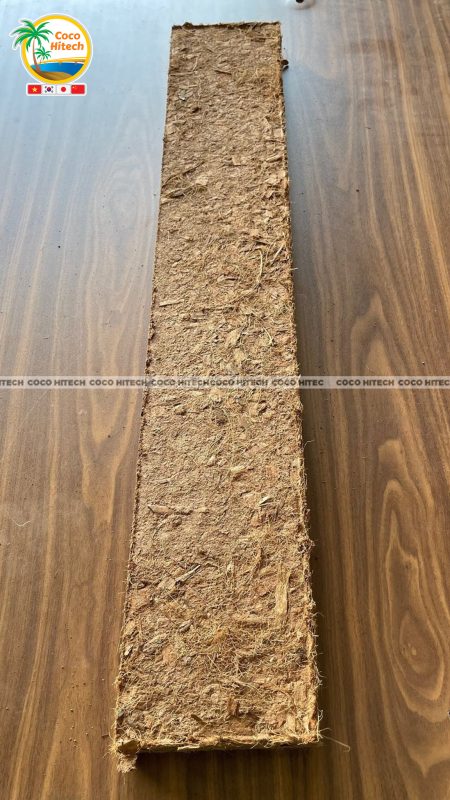
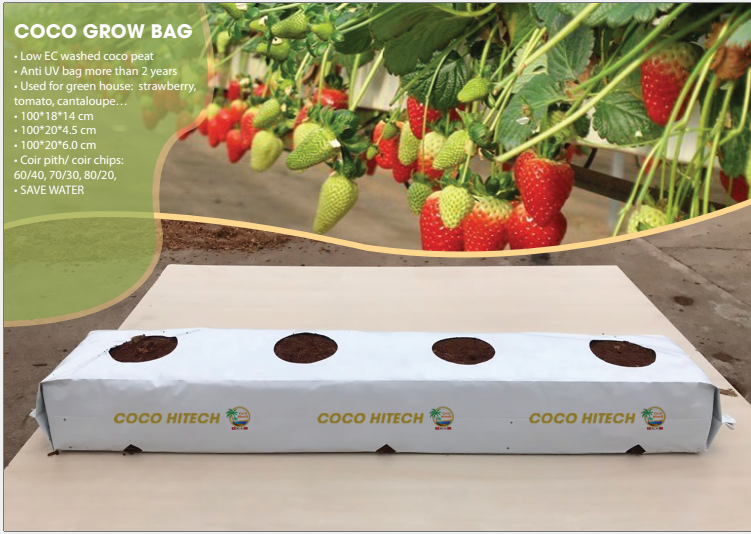
A Coir Grow Bag, also known as a coco grow bag or coir substrate bag, is a compressed growing medium packed inside a durable plastic sleeve. It is manufactured in predetermined dimensions according to the crop, cultivation system and customer requirements.
The growing medium inside may contain:
- Coco peat
- Coco chips
- Short coir fibers
- A customized blend of coco peat and coco chips
When water is applied, the compressed coir substrate expands and forms a growing slab with suitable moisture retention, drainage and aeration properties.
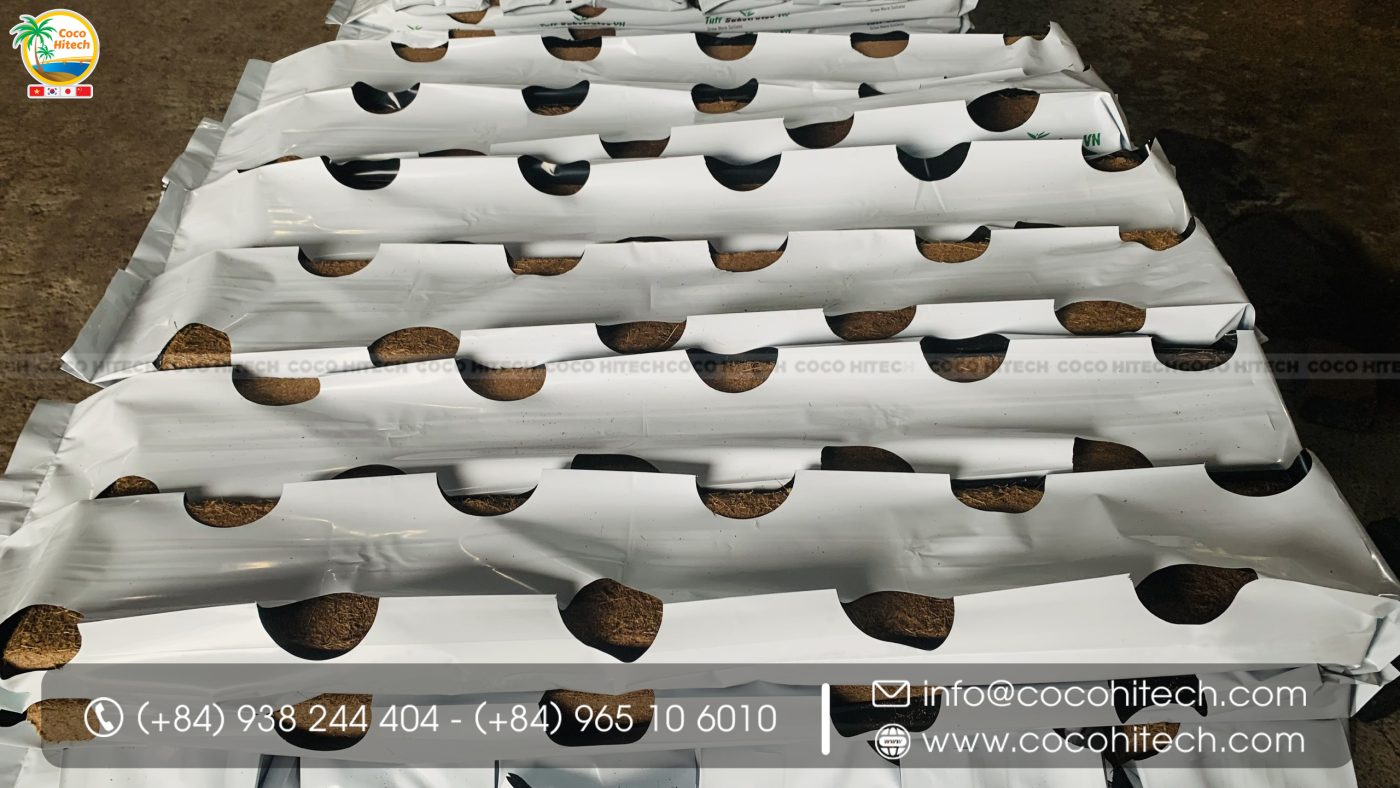
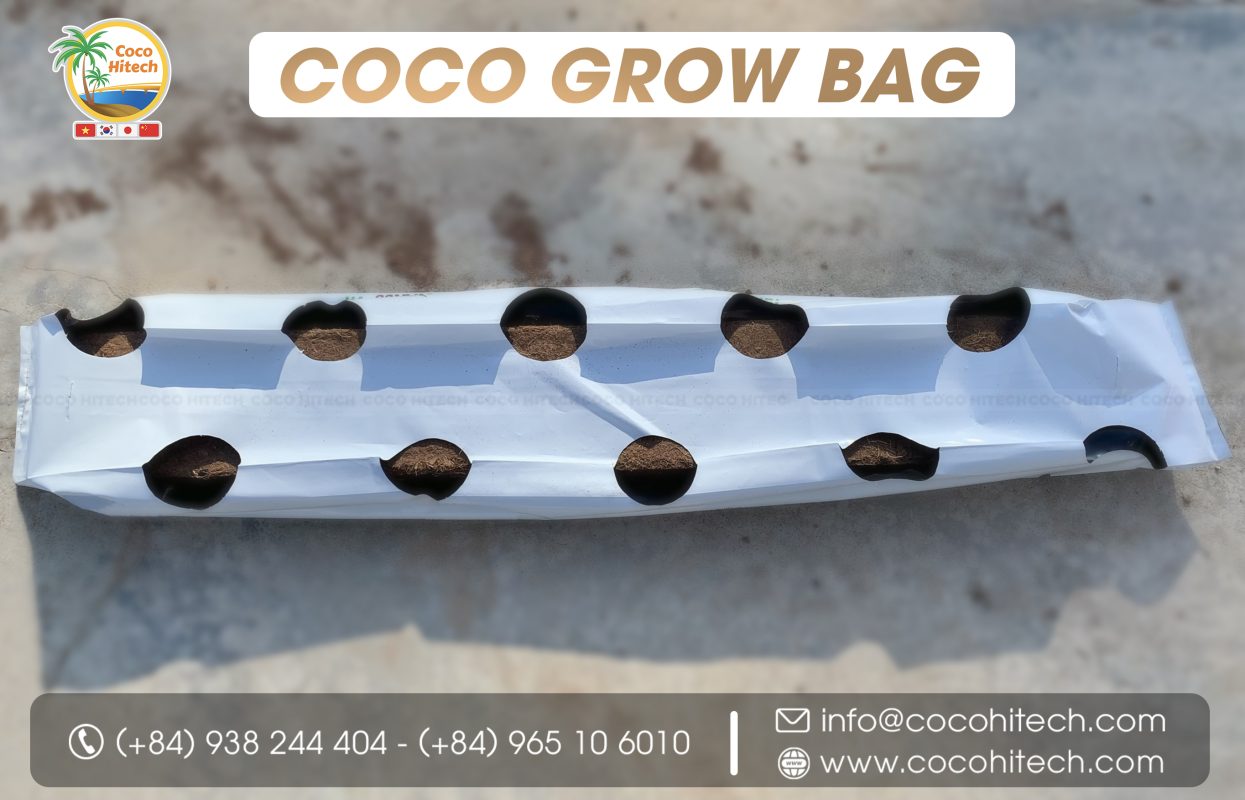
Coir Grow Bags are commonly placed on greenhouse floors, raised gutters or drainage collection systems. Planting holes can be pre-cut on the upper surface, while drainage holes are created along the bottom or sides to remove excess irrigation water.
A complete Coir Grow Bag normally consists of two main components.
1. Outer Plastic Sleeve
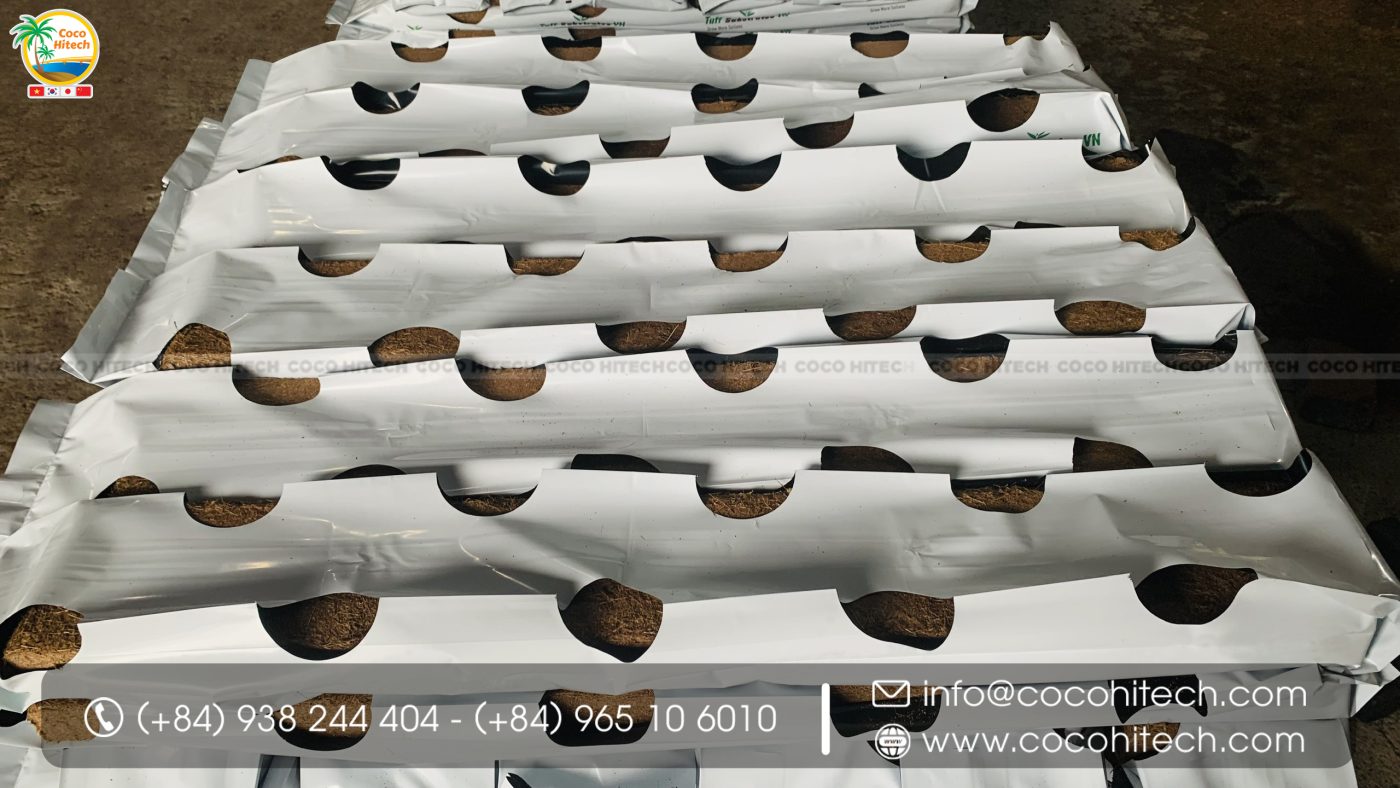
The outer sleeve is produced from plastic material designed to withstand moisture, sunlight and greenhouse conditions throughout the crop cycle.
Depending on customer requirements, the sleeve may include:
- A white outer surface to reduce heat absorption
- A black inner surface to limit light exposure around the root zone
- Pre-cut planting holes
- Dripper insertion holes
- Drainage holes along the bottom or sides
- Customized logos and private-label printing
2. Coir Growing Medium
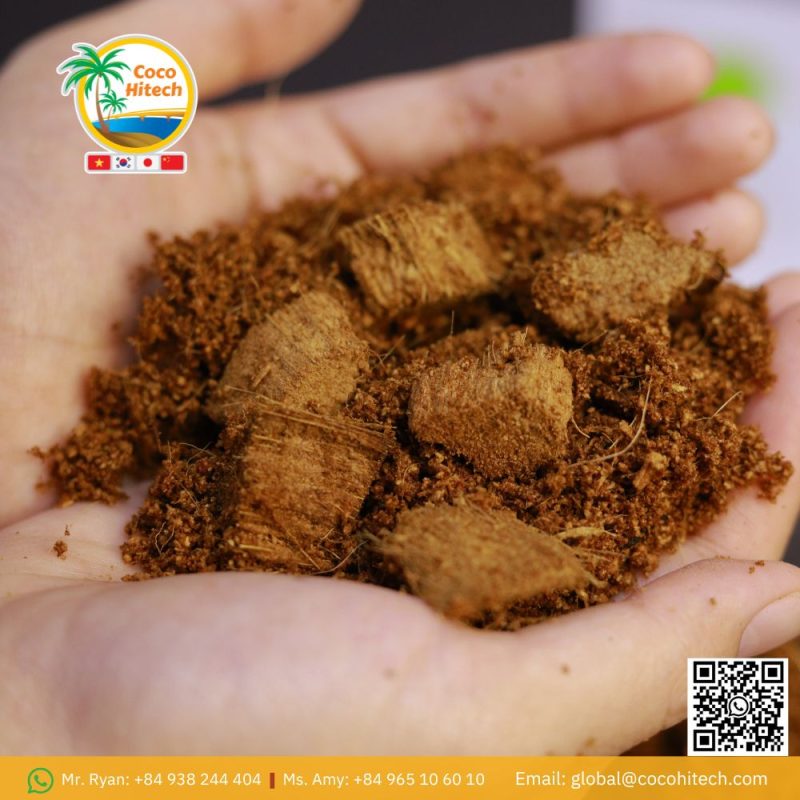
The substrate composition can be adjusted according to the crop and cultivation method.
Coco peat provides relatively high water-holding capacity and is suitable for crops requiring consistent moisture around the roots.
Coco chips create larger air spaces within the substrate, improving drainage and root-zone aeration.
By combining these materials in an appropriate ratio, a grow bag can provide a balance between moisture retention, drainage and air-filled porosity.
Reference Specifications for COCO HITECH Coir Grow Bags
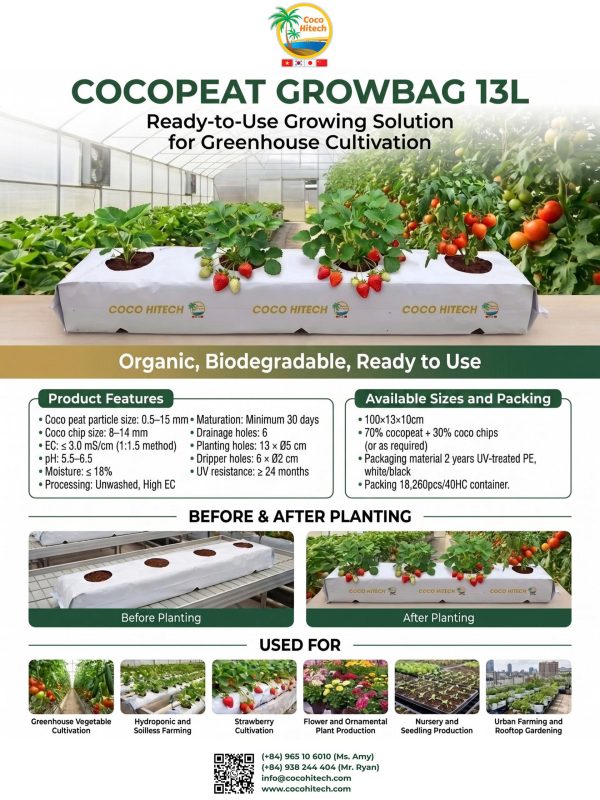
COIR GROW BAG 13 LITERS
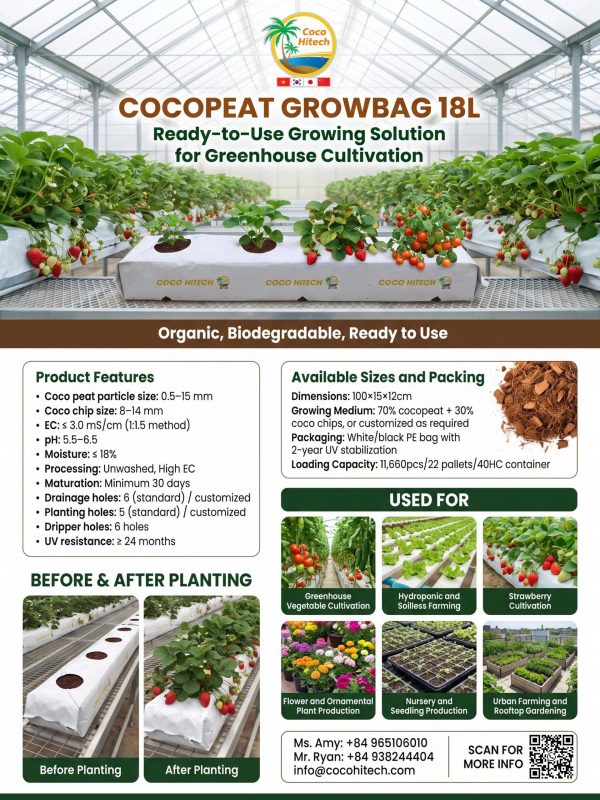
COIR GROW BAG 18 LITERS
COCO GROW BAG
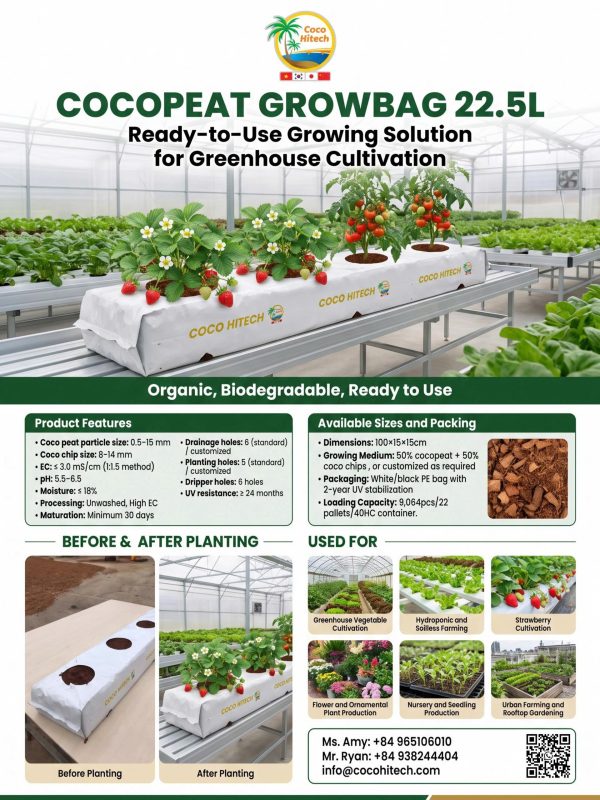
COIR GROW BAG 22.5 LITERS
COIR GROW BAG 27 LITERS
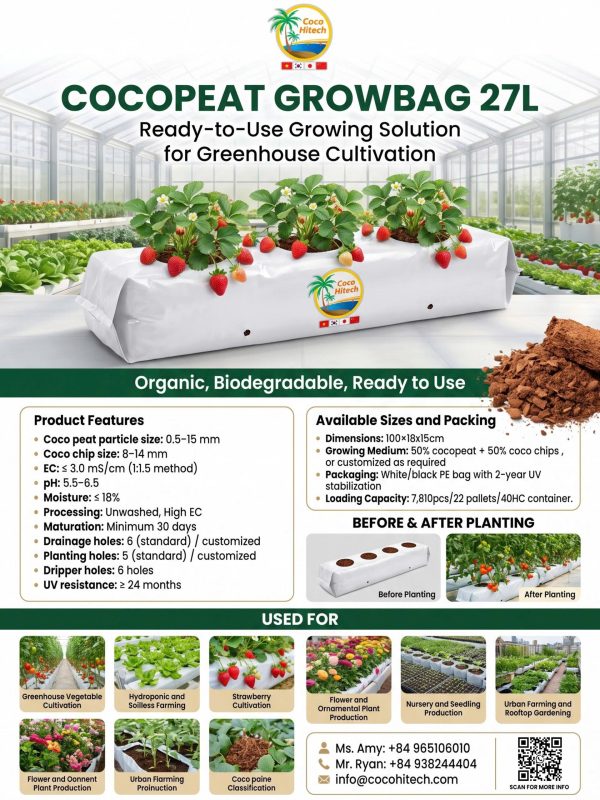
Specifications such as bag size, expanded volume, planting-hole arrangement, coco peat-to-chip ratio and EC level should be confirmed for each order.
Customers should also confirm with COCO HITECH whether the available product is supplied as a High EC grow bag or as a processed grow bag with a lower EC level before placing an order.
Benefits of Coir Grow Bags
Suitable Moisture Retention
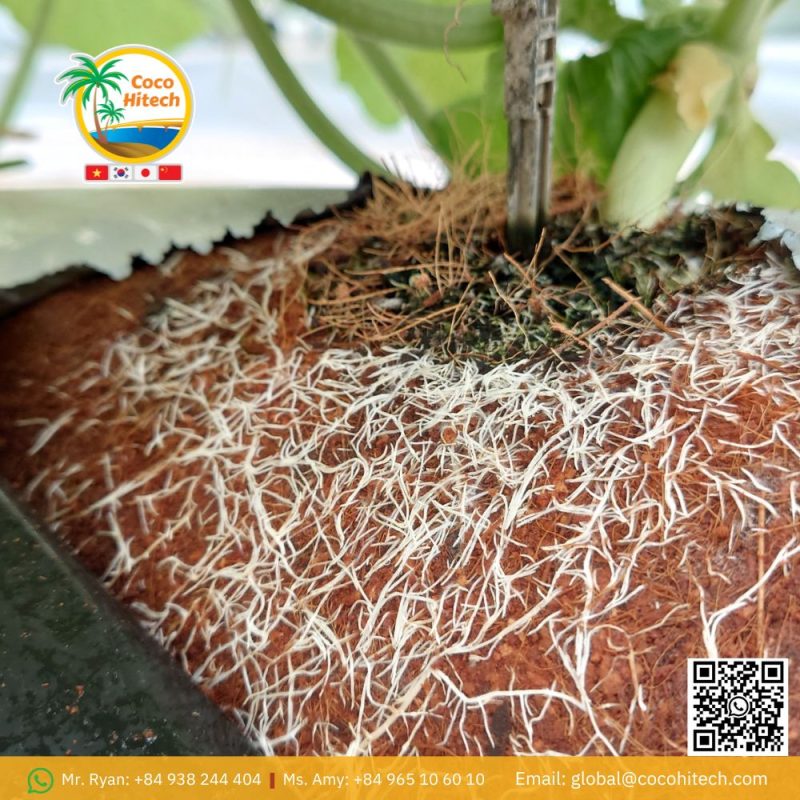
Coco peat can retain moisture around the root zone and help maintain more stable growing conditions than substrates that drain too rapidly.
However, actual water-holding capacity depends on several factors, including:
- Coco peat and coco chip ratio
- Particle-size distribution
- Compression level
- Initial substrate moisture
- Irrigation frequency
- Drainage-hole arrangement
Improved Root-Zone Aeration
Coco chips and coir fibers create air spaces within the substrate. These spaces allow oxygen to circulate around the root system, especially when the grow bag has been properly expanded and adequately drained.
Easier Nutrient Management
In soilless cultivation systems, water and nutrients can be delivered through drip irrigation.
Nutrient management can be adjusted according to:
- Crop growth stage
- Substrate moisture level
- Irrigation-water EC
- Drainage-water EC
- Drainage percentage
- Greenhouse temperature and light conditions
This allows growers to manage the crop more precisely than in many conventional soil-based systems.
Reduced Dependence on Natural Soil
Grow bags are useful in areas where the natural soil is saline, nutrient-deficient, poorly drained or potentially contaminated by soil-borne pathogens.
Each bag provides a controlled growing zone, allowing the farm to arrange, monitor and manage its crops more efficiently.
Efficient Transportation
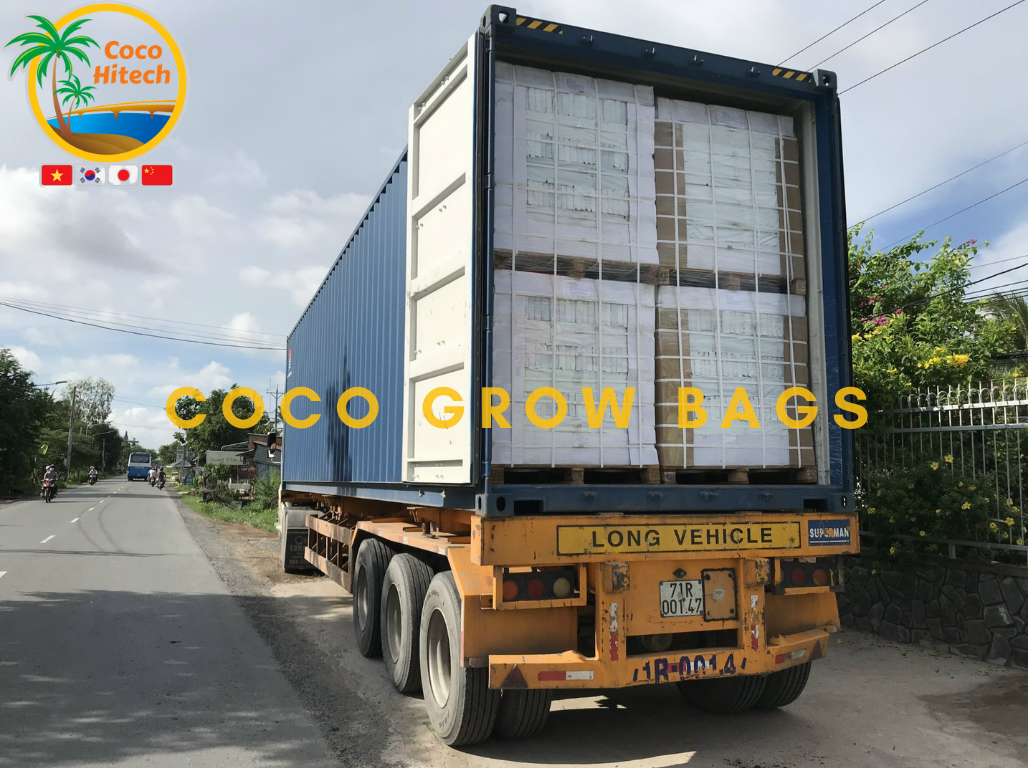
The coir substrate is compressed before shipment, significantly reducing its transportation volume. At the farm, water is applied to expand the substrate before planting.
Crops Commonly Grown in Coir Grow Bags
Tomatoes
Greenhouse tomatoes require careful water and nutrient management. Coir Grow Bags provide a manageable root zone and are well suited to drip irrigation systems.
The substrate blend can be selected to provide sufficient moisture retention while maintaining adequate root-zone aeration.
Cucumbers
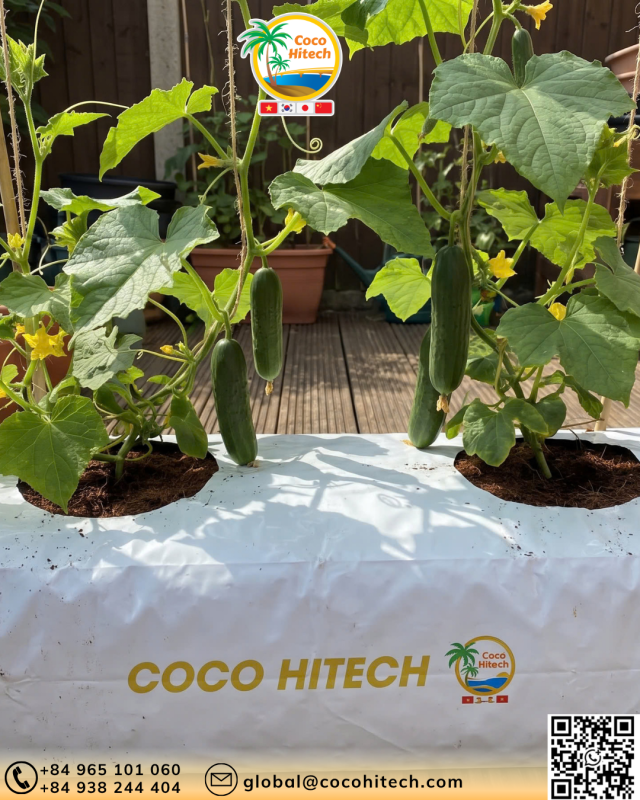
Cucumbers grow quickly and generally require frequent irrigation. A mixture of coco peat and coco chips can help balance water availability with drainage.
Bell Peppers and Sweet Peppers
Coir Grow Bags are widely used in high-tech pepper cultivation because they can be arranged in uniform rows and connected to automated fertigation systems.
Strawberries
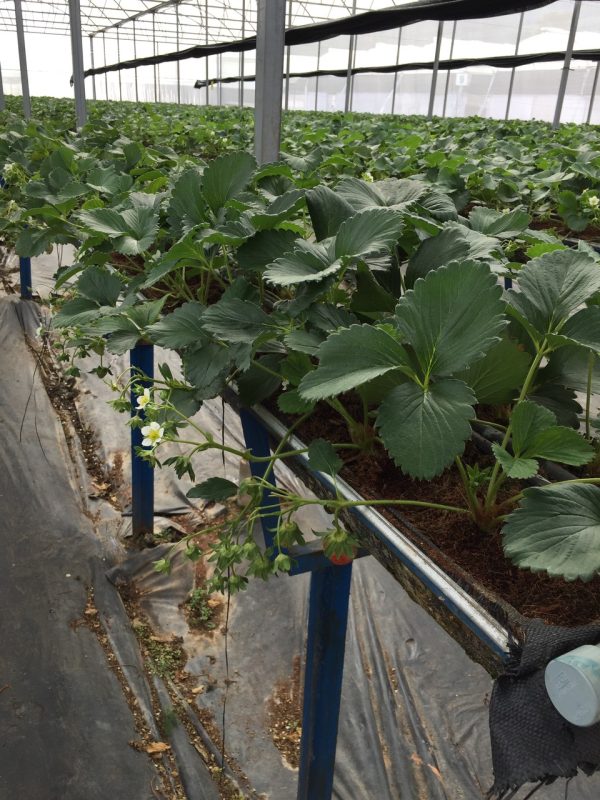
Long grow bags or smaller coir substrate bags may be installed on elevated gutters. This arrangement reduces fruit contact with the ground and makes crop maintenance and harvesting more convenient.
Crops Suitable for Open Top Grow Bags
Blueberries
Blueberries require a suitable root-zone structure and carefully managed pH conditions. Open Top Grow Bags allow growers to customize the ratio of coco peat, coco chips and other materials according to their cultivation method.
Small Fruit Trees
Certain fruit trees and young plants can be grown in Open Top Grow Bags to create a controlled root environment before they are transplanted or moved to a permanent growing area.
Flowers and Ornamental Plants
Open Top Grow Bags are suitable for flowers, decorative plants and ornamental crops that require an individual growing space and a relatively large substrate volume.
Nursery Plants
Nurseries can use open-top containers for plants that require a longer growing period or more root space than standard propagation pots can provide.
How to Use a Coir Grow Bag
Step 1: Arrange the Grow Bags
Place the grow bags on a clean, level greenhouse floor or growing gutter.
The installation area should allow excess water to drain freely. Water should not remain underneath the bags for long periods.
Step 2: Apply Water for Expansion
Apply water gradually and evenly to each grow bag.
Avoid introducing an excessive amount of water at one time, as this may cause uneven substrate expansion.
The required amount of water and expansion time depend on the bag dimensions, compression level and initial moisture content.
Step 3: Check Substrate Expansion
Once the substrate has fully expanded, check the height, shape and uniformity of the bag.
The substrate can be gently distributed by hand to ensure that it is spread evenly along the full length of the bag.
Step 4: Follow the Correct EC Treatment Procedure
For processed grow bags with an EC level suitable for the intended crop, growers may continue with their standard preparation process according to the farm’s technical requirements.
High EC or unwashed grow bags may require leaching, washing or another treatment process before planting.
Do not rely only on the product name. Always review the product specification sheet or laboratory test results for the relevant production lot.
Step 5: Create Planting and Drainage Holes
When the bag has not been pre-cut, create planting holes according to the planned crop density.
Drainage holes should be placed correctly to prevent excessive water accumulation inside the bag.
Step 6: Install the Drip Irrigation System
Place a dripper at each planting position.
Check the flow rate of the drippers to ensure that water and nutrient solution are distributed relatively evenly across the cultivation area.
Step 7: Plant and Monitor the Root Zone
Place the seedlings into the prepared planting holes and regularly monitor:
- Substrate moisture
- Drainage volume
- Irrigation-water EC
- Drainage-water EC
- Root color and condition
- Plant growth and development
What Does EC Mean in a Coir Grow Bag?
EC, or electrical conductivity, indicates the ability of a solution to conduct electricity and is commonly used to estimate the level of soluble salts.
Natural coconut husk material may contain soluble salts. When the raw material has not been adequately washed or processed, the initial EC may be higher than the acceptable range for certain salt-sensitive crops.
Before purchasing Coir Grow Bags, customers should confirm:
- Whether the product is High EC or Low EC
- The EC testing method
- The extraction ratio used for EC measurement
- Whether the coir material has been washed
- Whether buffering has been performed
- The test results for the production lot
- The required preparation procedure before planting
EC should not be evaluated as an isolated indicator. Overall grow bag quality also depends on pH, expansion volume, water-holding capacity, air-filled porosity, drainage performance, particle structure and raw-material consistency.
Important Factors When Selecting Coir Grow Bags
Select an Appropriate Substrate Blend
The ratio of coco peat to coco chips should be adjusted according to the crop, local climate and irrigation strategy.
A higher coco peat content generally increases water retention. A higher coco chip content may create a more open structure and improve drainage, but it can also change irrigation frequency and water distribution.
There is no single substrate formula suitable for every crop and cultivation system.
Check Substrate Expansion
A grow bag should reach a relatively consistent size and volume after hydration.
Uneven expansion can lead to differences in moisture distribution between planting positions.
Check Coco Chip Size and Screening Quality
Coco chips cut by machine are not always perfectly uniform because of the natural structure of coconut husks and variations during the cutting process.
A well-produced substrate should be relatively well screened to remove:
- Excessive coco peat dust
- Long coir fibers
- Oversized particles
- Excessively small particles
- Remaining impurities
The coco chips should remain within an acceptable size range rather than being described as completely uniform.
Confirm the Quality of the Plastic Sleeve
The plastic sleeve should remain durable throughout the cultivation cycle.
Its welds, planting holes, dripper holes and drainage-hole positions should be inspected before large-scale installation.
Conduct a Trial Before Placing a Large Order
For farms using a new substrate formula for the first time, a small-scale trial is recommended before ordering a full container.
A trial helps growers evaluate:
- Expansion speed
- Water-holding capacity
- Drainage performance
- Bag durability
- Crop response
- Compatibility with the existing irrigation system
COCO HITECH: Coir Grow Bag Manufacturer in Vietnam
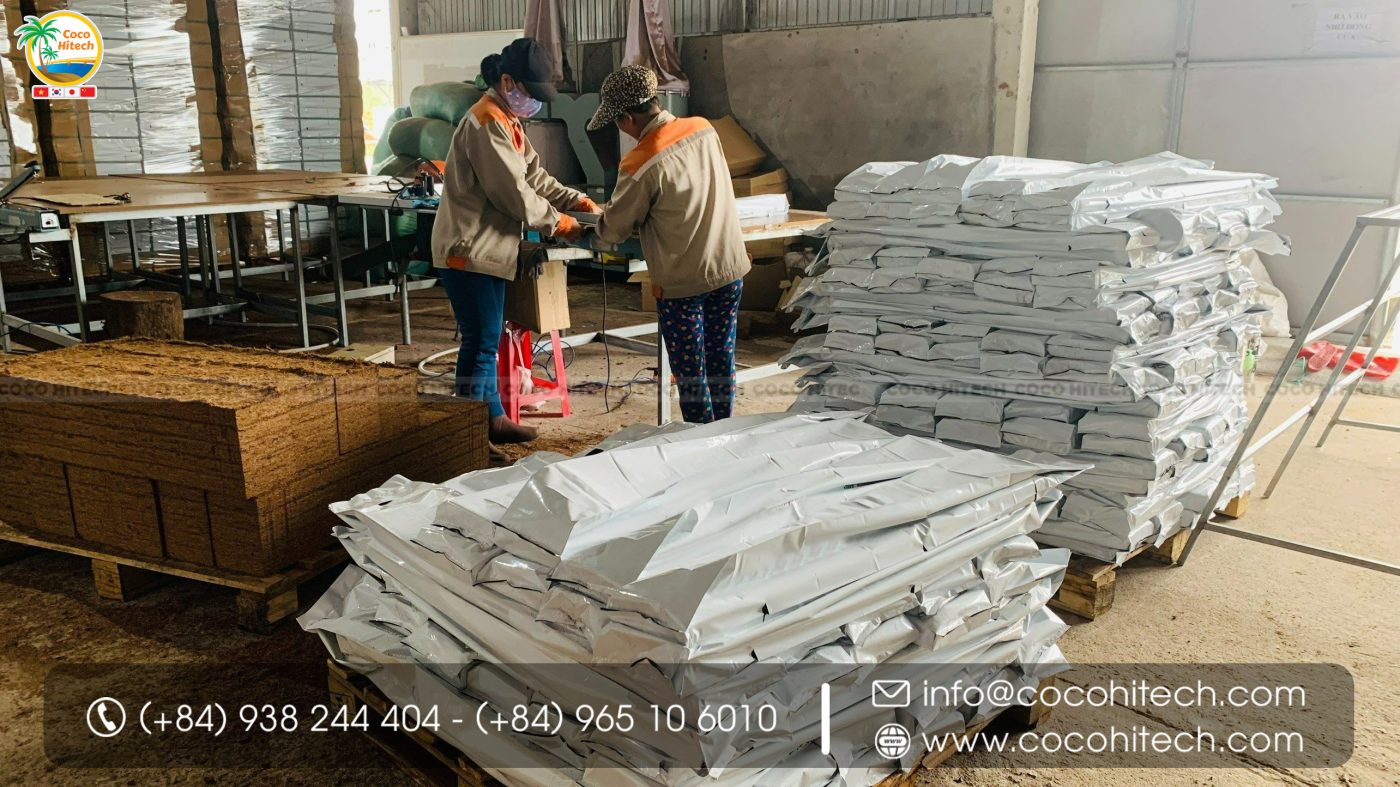
COCO HITECH is a Vietnamese manufacturer and exporter of coconut coir growing media products, including:
- Coco peat bag
- Coco peat blocks
- Coco chips
- Coir Grow Bags
- Open Top Grow Bags
- Customized coir substrate blends
With access to coconut husk raw materials in Vietnam, COCO HITECH can adjust product specifications according to customer requirements and target markets.
Available customization options may include:
- Coir Grow Bag dimensions
- Open Top Grow Bag dimensions
- Coco peat and coco chip ratios
- Number and position of planting holes
- Coco chip size range
- EC level, depending on current production availability
- Private-label packaging and printing
- Palletizing and container-loading specifications
All technical specifications should be confirmed before production to ensure that the selected product is compatible with the customer’s crop, irrigation system and cultivation method.
COCO HITECH supplies coconut coir growing media for greenhouses, nurseries, and commercial farms, with customizable specifications available according to individual customer requirements.
COCO HITECH is certainly a significant Vietnamese manufacturer and exporter of coir grow bag, open top coco peat, coco peat block, with production based in the coconut-growing region of Ben Tre/Vinh Long and exports to multiple international markets. The company markets itself as a manufacturer and export center for coconut products including coir rope, coir fiber, coir mats, coco peat, coir nets, and related products.
OUR INTERNATIONAL TEAM SALE
- 대표: Mr.Ryan (Vietnam): +84 938244404(Kakaotalk, Wechat, Whatsapp)
- Amy (English) : +84 965106010 (WhatsApp, Kakao, Line)
- Ryna ( 한국 영업 담당자 ): +84 0364775030
- Vi (中文)+84397317401| 微信ID: Nttv0608
- Website: https://cocohitech.com
- Website: https://kr.cocohitech.com(Korea)
- Website: https://cocohitech.jp/ (Japan)
- Youtube: https://www.youtube.com/watch?v=X7uwnNDKJ4M&t=70s
- Instagram: https://www.instagram.com/cocohitech/
COCO HITECH JSC
261-263 Phan Xich Long Street, Ward 2, Phu Nhuan District, Ho Chi Minh City, Vietnam Tel: +8493 8244404 (Vietnam) Email: info@cocohitech.com https://cocohitech.com | https://coconutpowder.net