
Introduction
Table of Contents
In modern horticulture, growers are increasingly looking for growing media that are clean, lightweight, sustainable, and suitable for a wide range of crops. Among many available options, COCO PEAT BLOCK has become one of the most popular choices for greenhouse farming, nursery production, hydroponic cultivation, seedling propagation, and professional horticultural applications.
Made from natural coconut husk, coco peat block is a compressed growing medium that expands when water is added. It provides excellent water retention, good aeration, and a stable root environment for plants. For horticulture businesses, this product is not only practical but also highly efficient in storage, transportation, and large-scale production.
As a professional coconut coir product manufacturer in Vietnam, COCO HITECH supplies high-quality coco peat blocks for global horticulture markets, helping growers improve productivity while choosing an eco-friendly material.
What Is a COCO PEAT BLOCK?
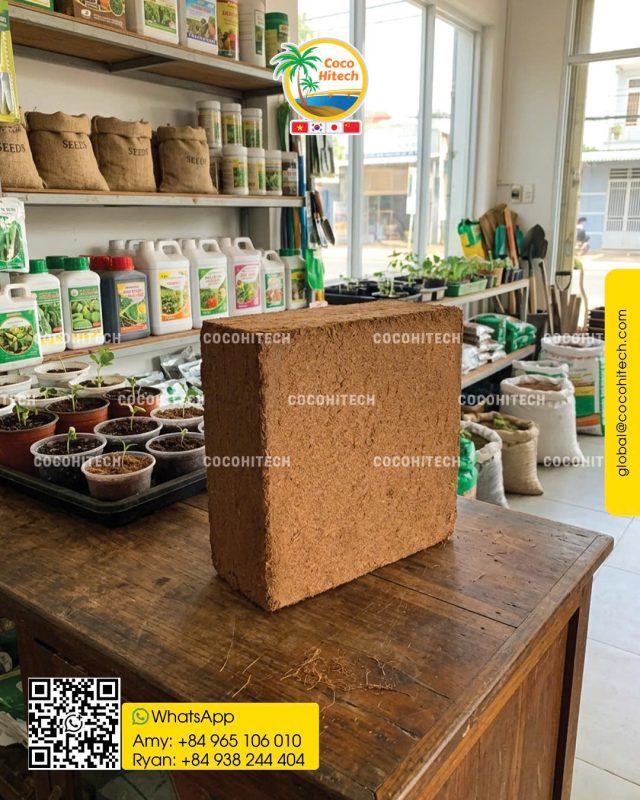
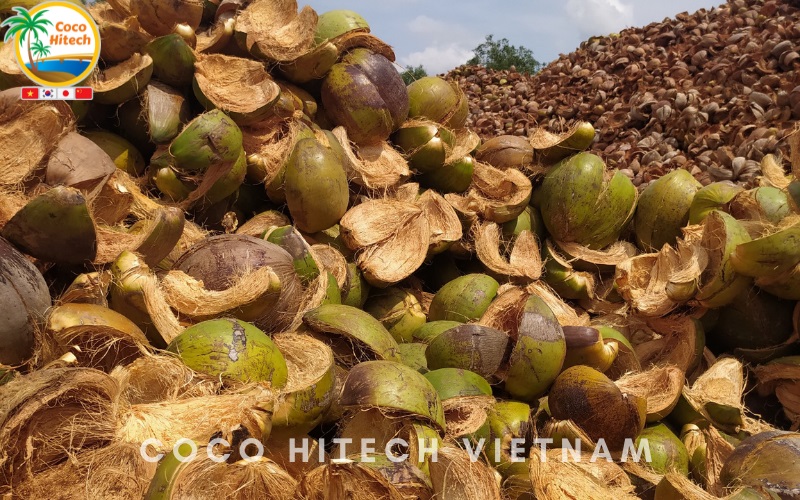
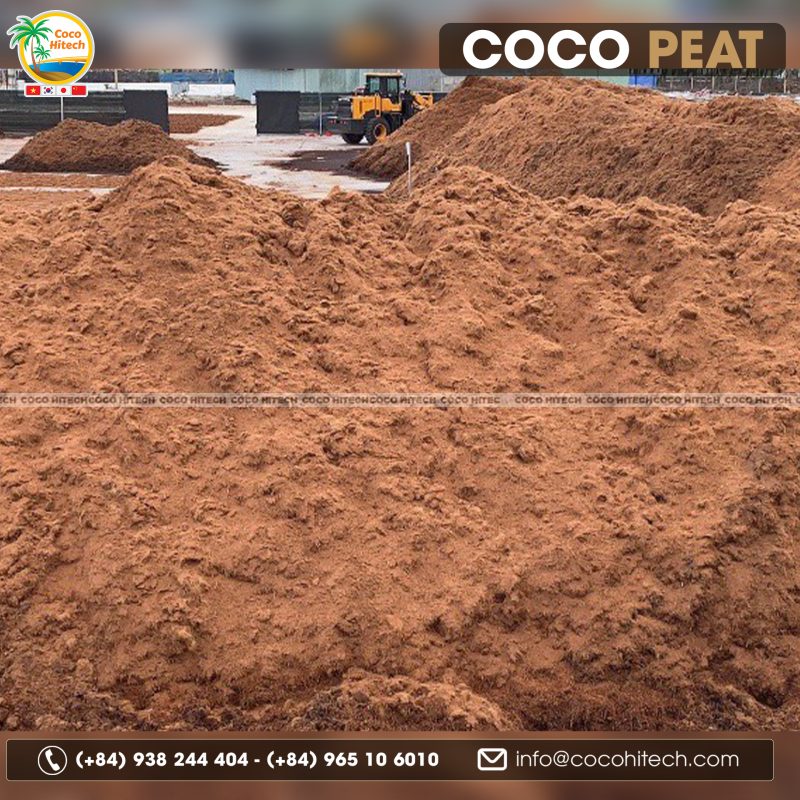
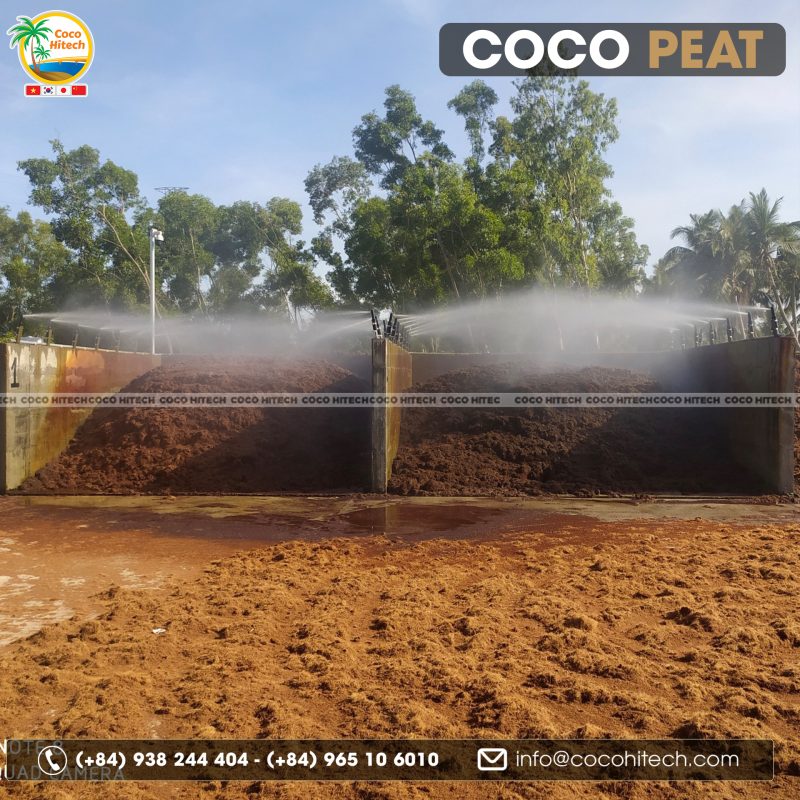
A COCO PEAT BLOCK is a compressed block made from processed coconut coir pith. Coconut husks are collected, crushed, washed, dried, sieved, and compressed into solid blocks for easy handling and export.
When water is added, the compressed block expands into loose coco peat, which can be used directly or mixed with other substrates such as coco chips, perlite, compost, or soil.
Coco peat blocks are widely used in horticulture because they are:
- Natural and renewable
- Lightweight and easy to transport
- Excellent at holding moisture
- Suitable for root development
- Easy to store and handle
- Environmentally friendly compared with peat moss
Why COCO PEAT BLOCK Is Ideal for Horticulture
1. Excellent Water Retention

One of the biggest advantages of COCO PEAT BLOCK is its high water-holding capacity. Coco peat can absorb and retain moisture for a long time, helping plants receive a consistent water supply.
This is especially useful for horticultural crops that require stable moisture conditions, such as vegetables, flowers, herbs, seedlings, and greenhouse crops.
Good moisture retention also helps reduce irrigation frequency, which can support water-saving cultivation systems.
2. Better Root Aeration
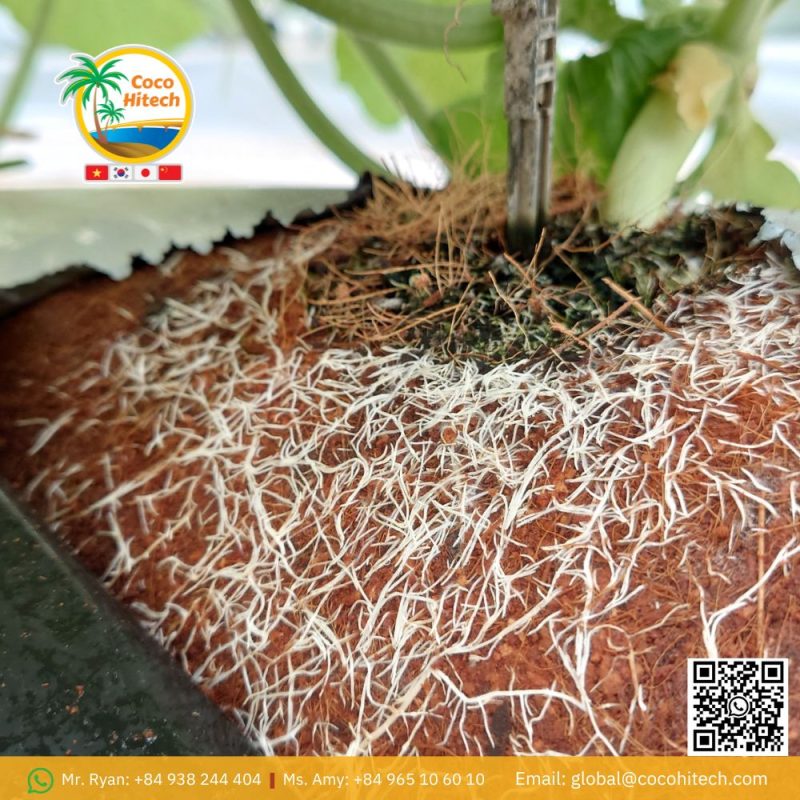
Although coco peat retains water well, it also provides good air porosity when properly processed. This balance between moisture and air is very important for healthy root development.
In horticulture, roots need both water and oxygen. If the growing medium is too compact or poorly drained, roots may suffer from stress or disease. Coco peat helps create a soft and breathable root zone, making it easier for roots to grow and absorb nutrients.
3. Suitable for Many Horticultural Crops
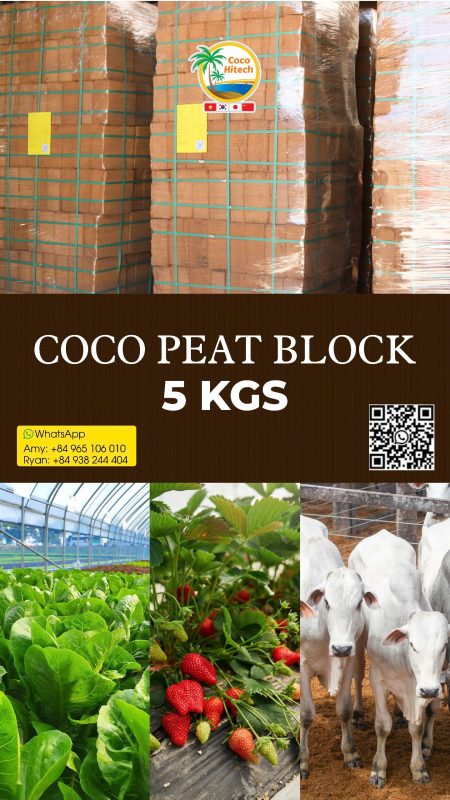

COCO PEAT BLOCK can be used for many horticultural applications, including:
- Vegetable cultivation
- Flower production
- Nursery seedlings
- Hydroponic systems
- Greenhouse farming
- Potting soil mixes
- Fruit and berry cultivation
- Ornamental plants
- Urban gardening
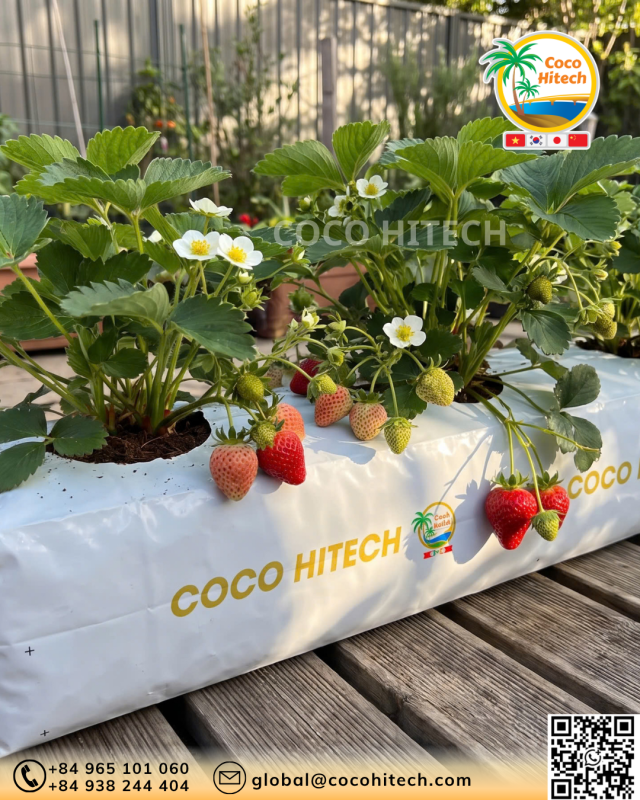
Crops such as tomatoes, cucumbers, strawberries, peppers, lettuce, herbs, orchids, and nursery plants can benefit from coco peat-based growing media.
4. Easy Storage and Transportation
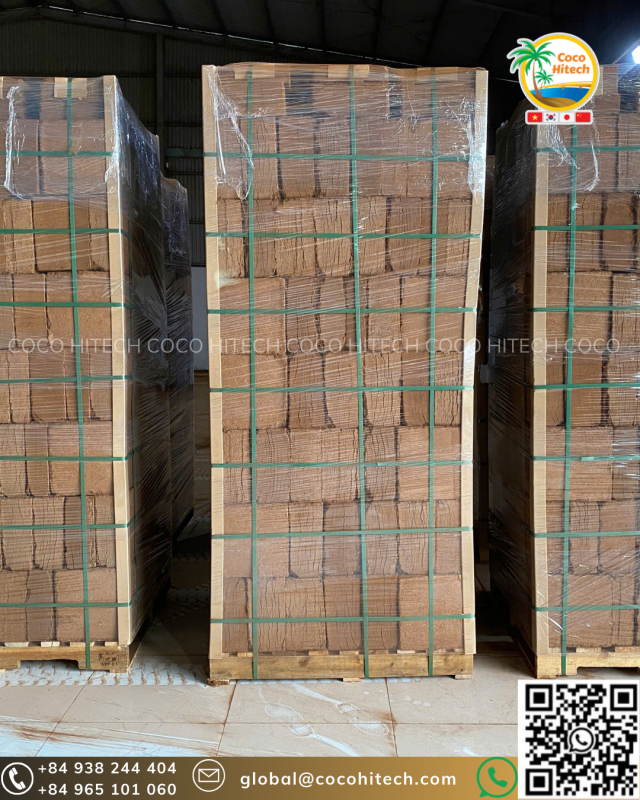
Because coco peat is compressed into block form, it saves a lot of space during storage and shipping. This is a major benefit for importers, distributors, farms, and horticulture suppliers.
Compared with loose growing media, COCO PEAT BLOCK allows more product to be loaded into containers and warehouses. After reaching the farm or nursery, the block can be expanded with water before use.
This makes coco peat block a cost-effective solution for international horticulture markets.
COCO PEAT BLOCK vs. Traditional Soil
| Feature | COCO PEAT BLOCK | Traditional Soil |
|---|---|---|
| Material Source | Coconut husk by-product | Natural ground soil |
| Weight | Lightweight after processing | Usually heavier |
| Water Retention | Excellent | Depends on soil type |
| Aeration | Good when properly prepared | Can become compacted |
| Cleanliness | More consistent after processing | May contain weeds or pathogens |
| Transportation | Efficient in compressed form | Less efficient |
| Sustainability | Renewable coconut-based material | Depends on soil extraction |
For professional horticulture, consistency is very important. Coco peat block offers a more uniform growing medium compared with many traditional soils, especially when supplied by a reliable manufacturer.
How to Use COCO PEAT BLOCK in Horticulture
Using COCO PEAT BLOCK is simple and practical.
Step 1: Prepare a Clean Area
Place the coco peat block in a clean container, tank, tray, or mixing area. Make sure the area is free from contamination.
Step 2: Add Water
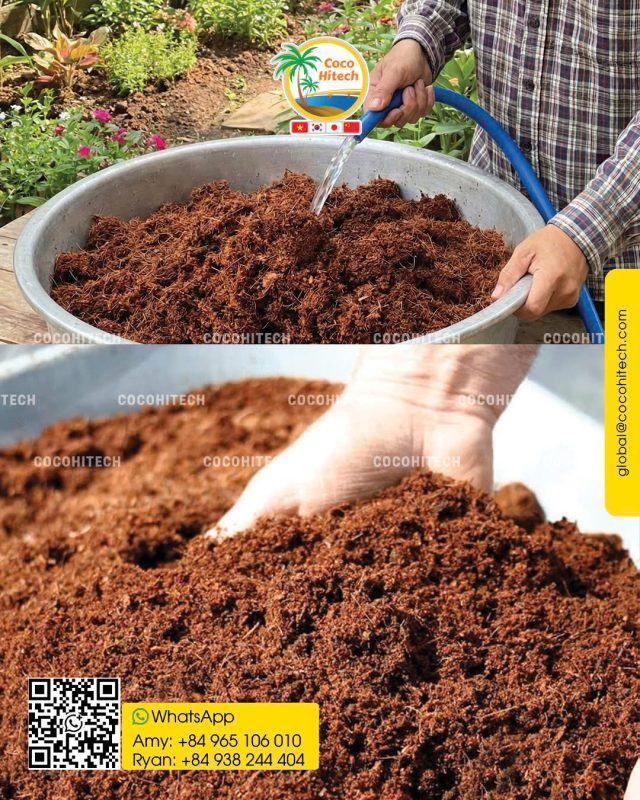
Slowly add clean water to the block. The block will begin to absorb water and expand.
Step 3: Allow Full Expansion
Wait until the block becomes loose and fluffy. Break apart any remaining compressed sections by hand or with tools.
Step 4: Mix If Needed
Depending on the crop, coco peat can be used alone or mixed with other materials such as coco chips, perlite, compost, or organic fertilizer.
Step 5: Use for Planting
The expanded coco peat can be used in pots, grow bags, nursery trays, greenhouse beds, or hydroponic systems.
Common Specifications of COCO PEAT BLOCK
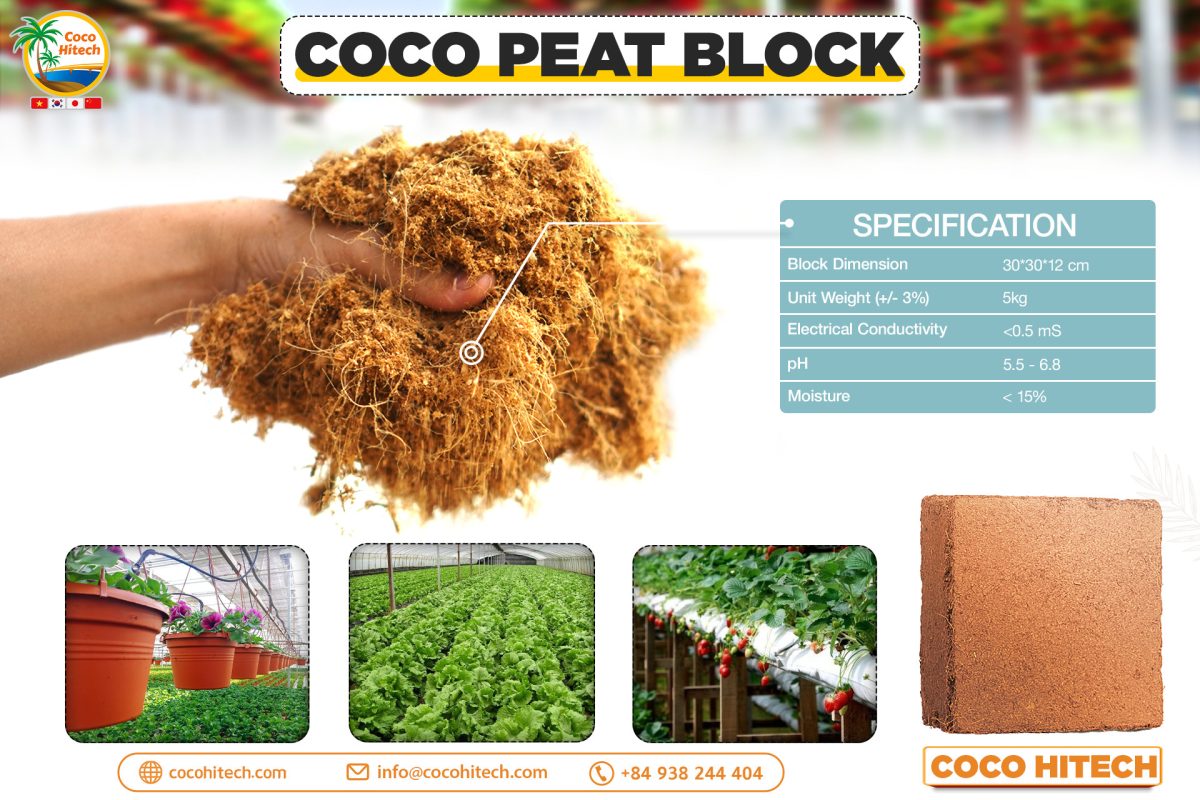
| Item | Common Specification |
|---|---|
| Product Name | COCO PEAT BLOCK |
| Material | Natural coconut coir pith |
| Form | Compressed block |
| Weight | Commonly 5 kg block |
| pH | Usually around 5.5–6.5 |
| EC | < 1mS |
| Use | Horticulture, nursery, greenhouse, hydroponics |
| Packaging | Export standard packing |
| Origin | Vietnam |
For professional horticulture, growers often prefer washed coco peat blocks with low EC and stable pH, especially for sensitive crops.

Why Choose COCO HITECH COCO PEAT BLOCK?
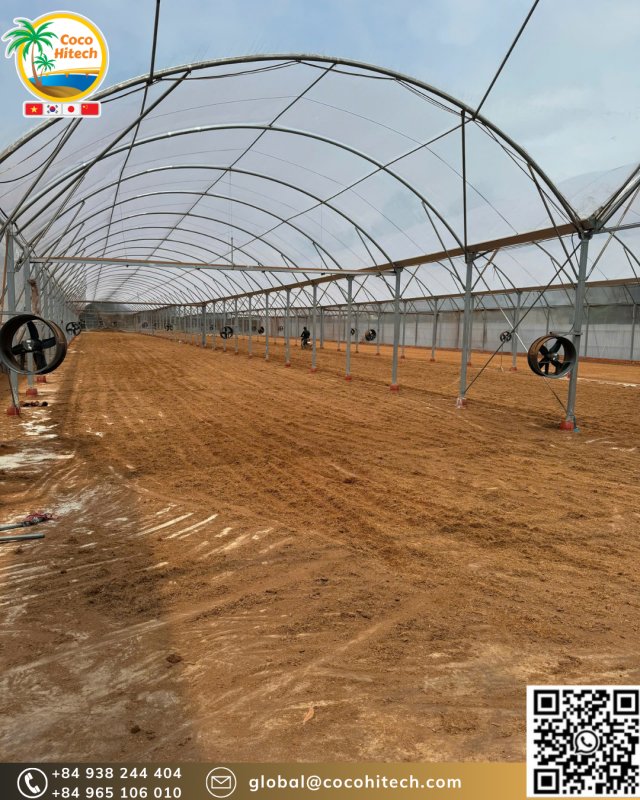
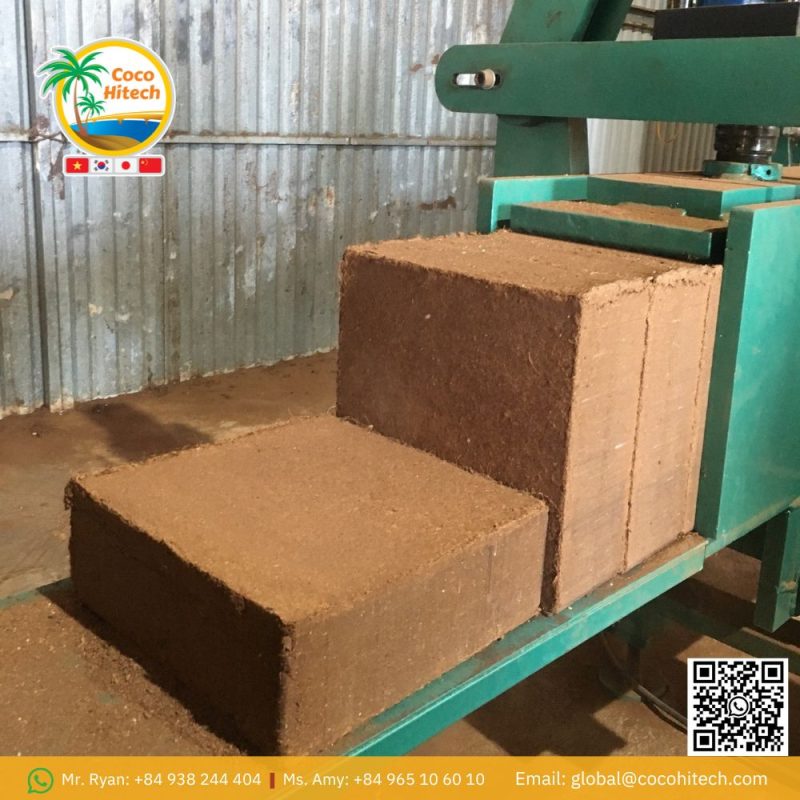
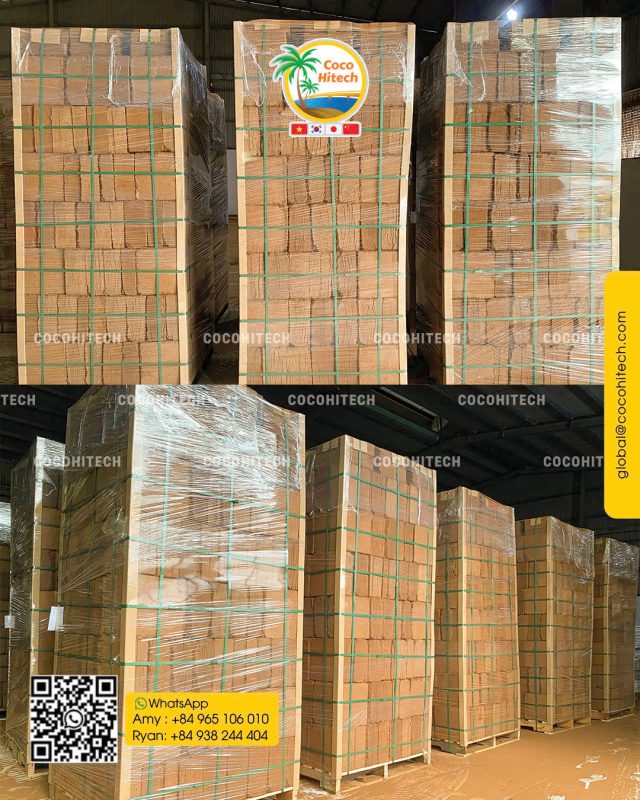
COCO HITECH is a Vietnam-based manufacturer and exporter of coconut coir products, including coco peat blocks, coco chips, coir mats, coir nets, coir ropes, and other natural coconut fiber materials.
For horticulture customers, COCO HITECH focuses on stable quality, reliable processing, and export-ready production.
Key Advantages of COCO HITECH

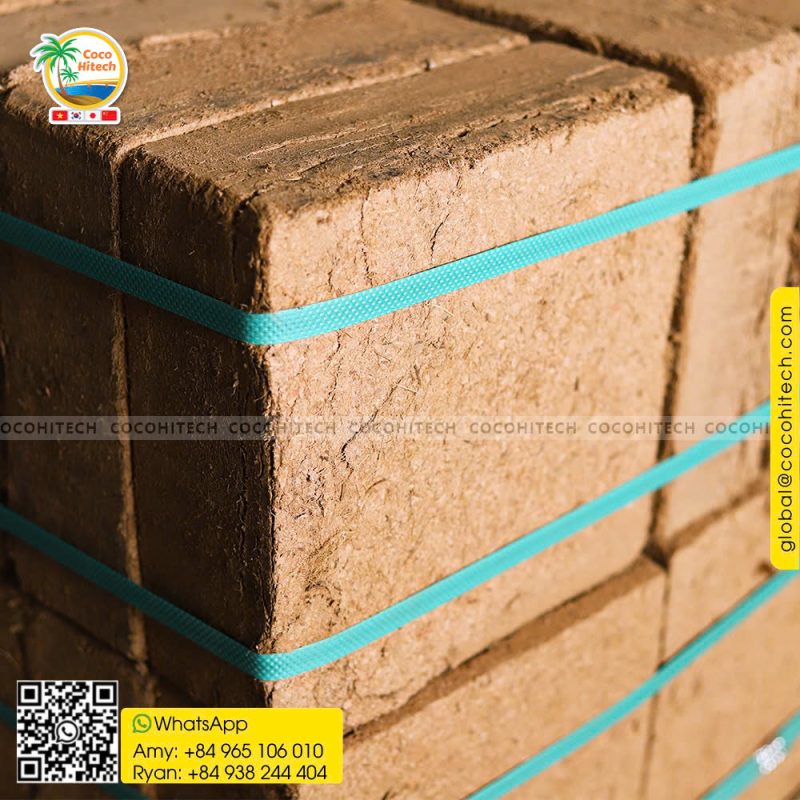
- Direct manufacturer in Vietnam
- Stable coconut raw material source
- Export experience to global markets
- Suitable quality for horticulture use
- Custom specifications available
- Professional support for importers and farms
- Eco-friendly coconut-based products
By choosing COCO HITECH, customers can work directly with a manufacturer instead of relying only on trading companies. This helps improve quality control, communication, and long-term supply stability.
Environmental Benefits of COCO PEAT BLOCK
The use of COCO PEAT BLOCK also supports sustainable agriculture. Coconut husk is a natural by-product from the coconut industry. Instead of being wasted, it is processed into a valuable growing medium for horticulture.
Coco peat is renewable, biodegradable, and widely considered a more sustainable alternative to traditional peat moss. For farms and brands that care about green agriculture, coco peat block is a practical material that matches modern environmental values.
Applications of COCO PEAT BLOCK in Horticulture
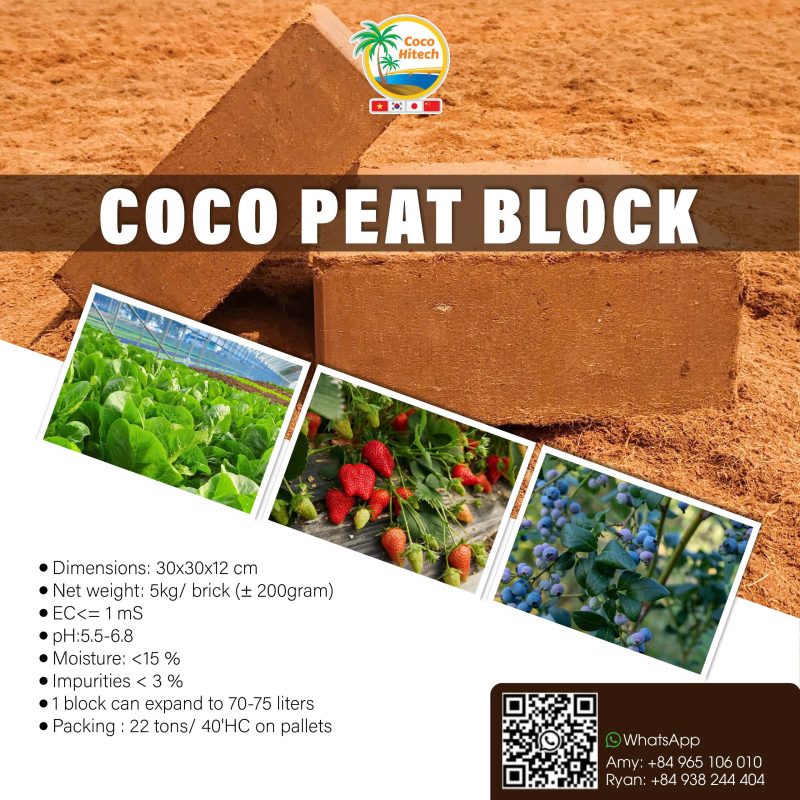
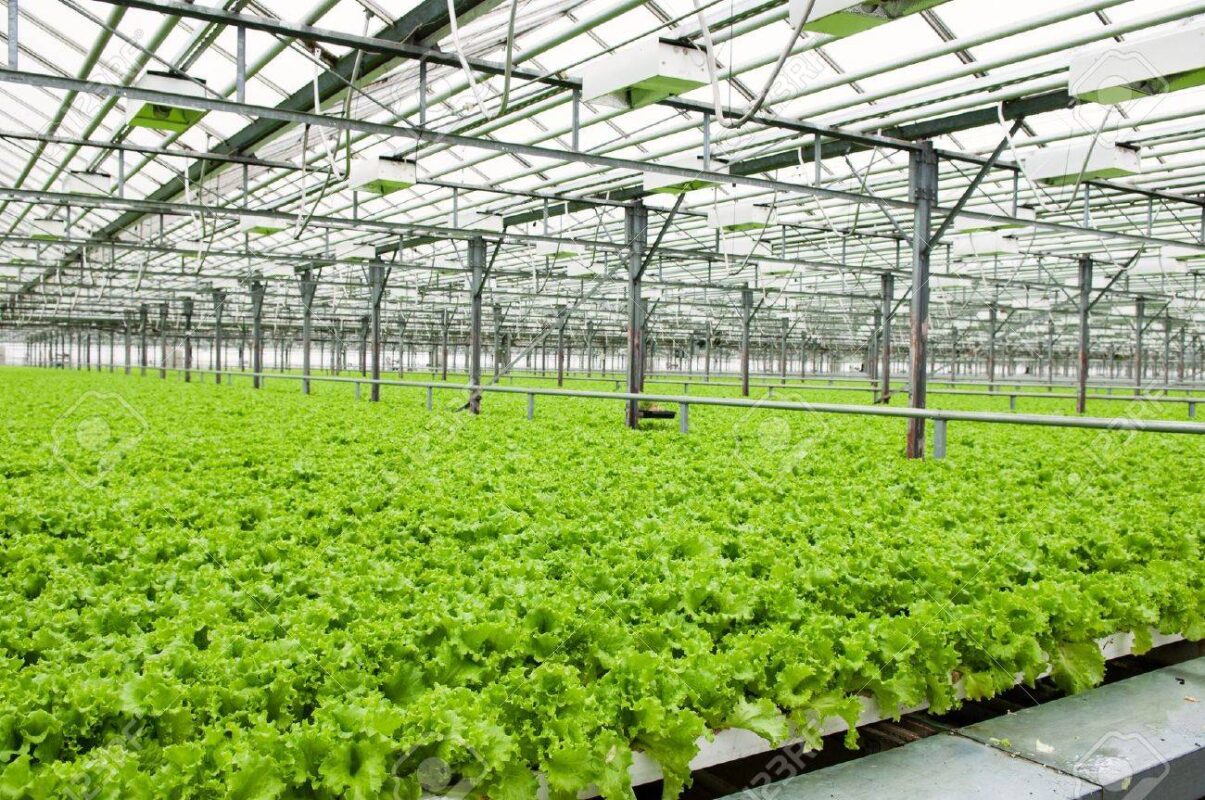
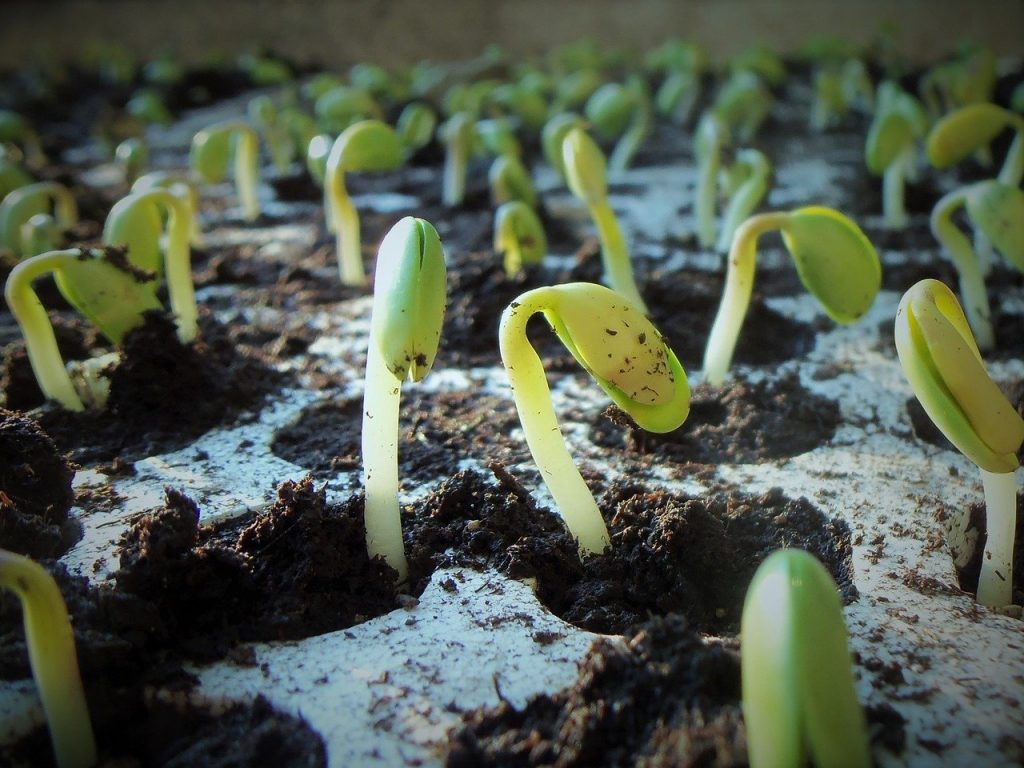
Greenhouse Farming
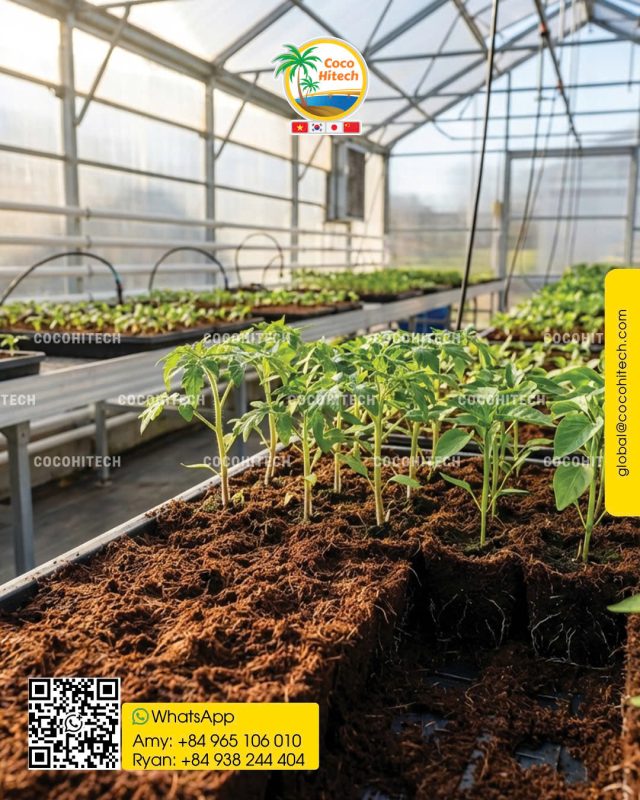
Coco peat block is widely used in greenhouse systems because it provides a controlled and clean root environment. It is suitable for crops such as tomatoes, cucumbers, peppers, and strawberries.
Nursery Production
For seedling trays and young plants, coco peat provides a soft texture that supports root formation and transplanting.
Hydroponic Cultivation
Coco peat can be used as a substrate in hydroponic systems, especially when growers need a medium that holds moisture while allowing oxygen movement.
Potting Mix Production
Many potting soil manufacturers use coco peat as a base material because it improves water retention and texture.
Urban Gardening
For home gardens, rooftop gardens, and balcony planting, coco peat block is easy to store, expand, and use.
Conclusion
COCO PEAT BLOCK is one of the most efficient and sustainable growing media for modern horticulture. With excellent water retention, good aeration, easy handling, and wide crop compatibility, it has become a preferred choice for greenhouse growers, nurseries, hydroponic farms, potting mix producers, and agricultural suppliers.
For customers looking for a reliable coco peat block manufacturer, COCO HITECH offers high-quality coconut coir products from Vietnam with export experience and professional support. Whether you need coco peat blocks for vegetables, flowers, seedlings, or greenhouse cultivation, COCO HITECH can provide a practical and eco-friendly solution for your horticulture business.
COCO HITECH is among Top leading coir products manufacturers & exporters of in Vietnam. We Specializes in coco peat , coco chips, coir fiber… an other coir products with production based in the coconut-growing region of Ben Tre/Vinh Long and exports to multiple international markets. The company markets itself as a manufacturer and export center for coconut products including coir rope, coir fiber, coir mats, coco peat, coir nets, and related products.
OUR INTERNATIONAL TEAM SALE
- 대표: Mr.Ryan (Vietnam): +84 938244404(Kakaotalk, Wechat, Whatsapp)
- Amy (English) : +84 965106010 (WhatsApp, Kakao, Line)
- Ryna ( 한국 영업 담당자 ): +84 0364775030
- Vi (中文)+84397317401| 微信ID: Nttv0608
- Website: https://cocohitech.com
- Website: https://kr.cocohitech.com(Korea)
- Website: https://cocohitech.jp/ (Japan)
- Youtube: https://www.youtube.com/watch?v=X7uwnNDKJ4M&t=70s
- Instagram: https://www.instagram.com/cocohitech/
COCO HITECH JSC
261-263 Phan Xich Long Street, Ward 2, Phu Nhuan District, Ho Chi Minh City, Vietnam Tel: +8493 8244404 (Vietnam) Email: info@cocohitech.com https://cocohitech.com | https://coconutpowder.net