
Compressed coco peat has become one of the most widely used growing media for nurseries, greenhouses, hydroponic farms, professional growers, and home gardeners. Made from the fine pith found inside coconut husks, coco peat provides excellent water retention while helping maintain a loose and well-aerated root zone.
To reduce storage volume and international shipping costs, processed coco peat is usually dried and compressed into blocks, briquettes, discs, slabs, or bales. After water is added, the material expands and becomes ready for use as a growing medium or soil amendment.
This article introduces the top kinds of compressed coco peat and explains how growers can choose the most suitable product for different crops and growing systems.
What Is Compressed Coco Peat?
Table of Contents
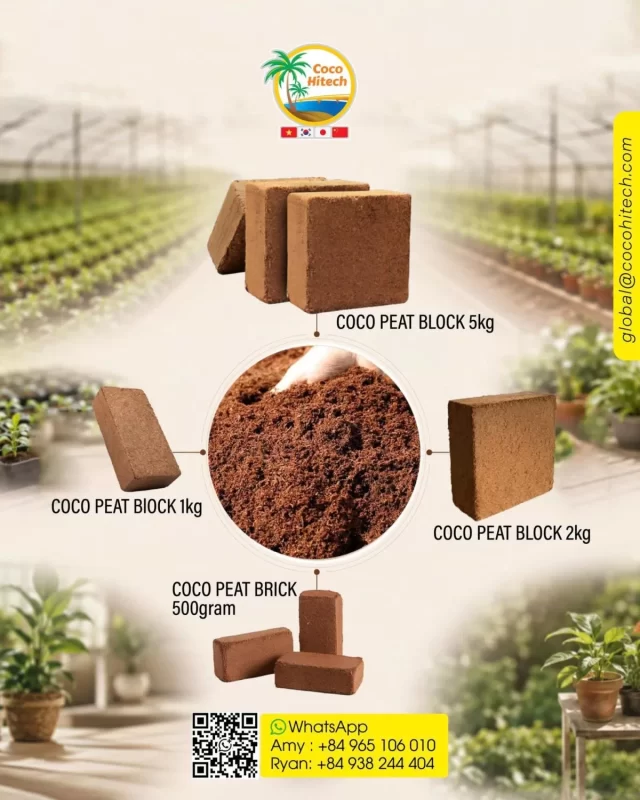
Compressed coco peat is a natural growing substrate produced from coconut husk pith. During production, the coconut pith is separated from longer coir fibers, screened, processed, dried, and compressed into compact forms.
Depending on the product specifications, coco peat may also be washed, buffered, blended with coco chips, or adjusted to meet specific EC and pH requirements.
The main advantages of compressed coco peat include:
- High water-holding capacity
- Good air circulation around roots
- Compact storage and transportation
- Easy expansion after hydration
- Suitability for soil-based and soilless growing
- Natural and renewable raw material
- Improved moisture management in growing media
Top Kinds of Compressed Coco Peat
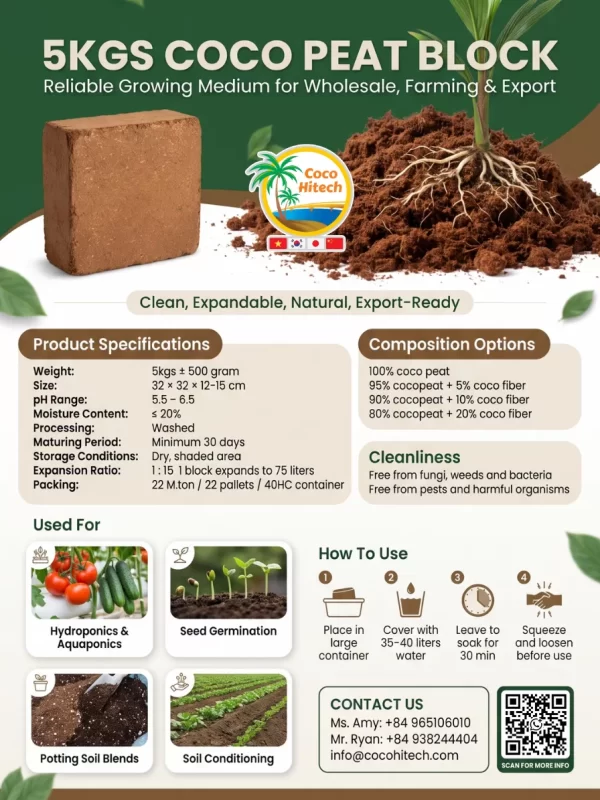
1. Compressed Coco Peat 5 kg Block
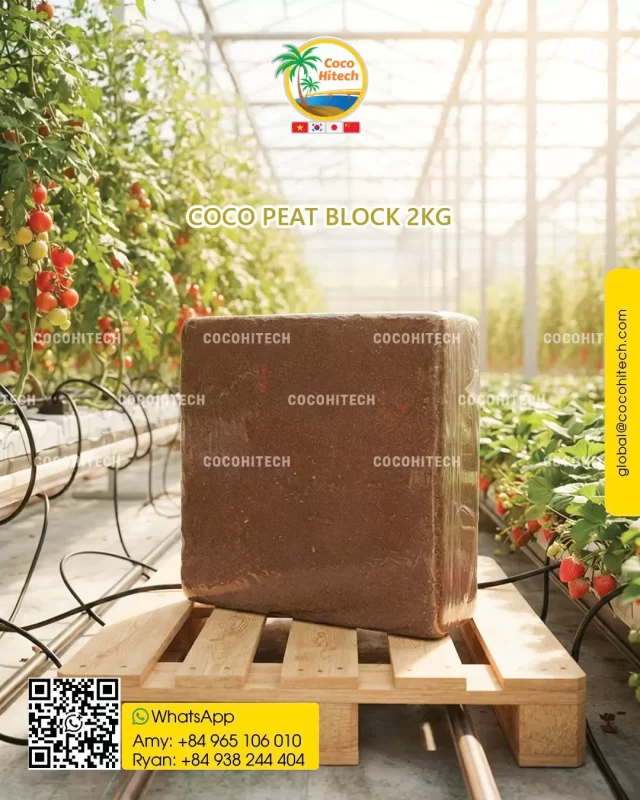
The compressed coco peat 5 kg block is one of the most common formats used by commercial growers, nurseries, potting-mix manufacturers, and agricultural distributors.
A standard 5 kg block can normally expand into approximately 70–75 liters of loose coco peat after sufficient water is added. The exact expansion volume depends on moisture content, compression ratio, particle structure, and production specifications.
Common applications
- Greenhouse vegetable production
- Nursery potting mixes
- Seedling production
- Flower cultivation
- Soil improvement
- Hydroponic substrate preparation
- Commercial growing-media blending
Because of its efficient loading capacity and large expansion volume, the 5 kg block is particularly suitable for wholesale buyers and professional farms.
2. Coco Peat Briquettes
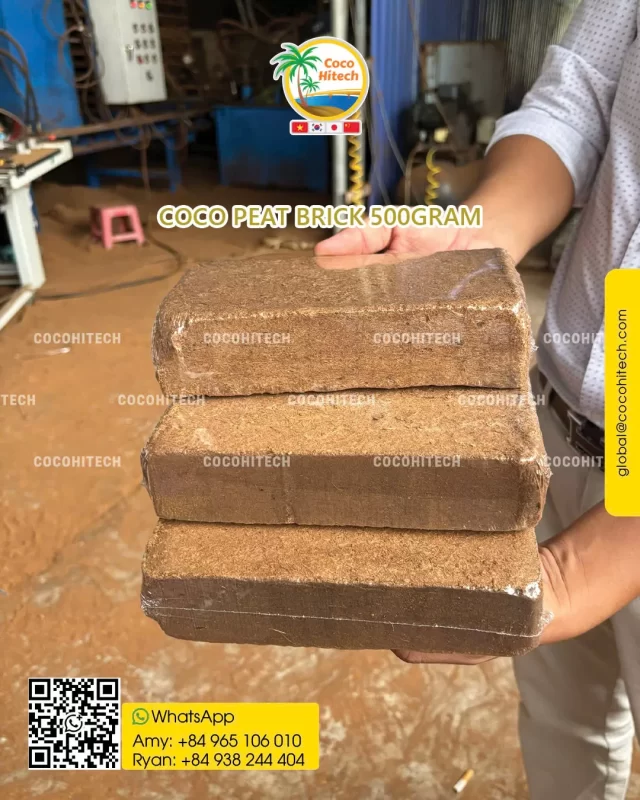
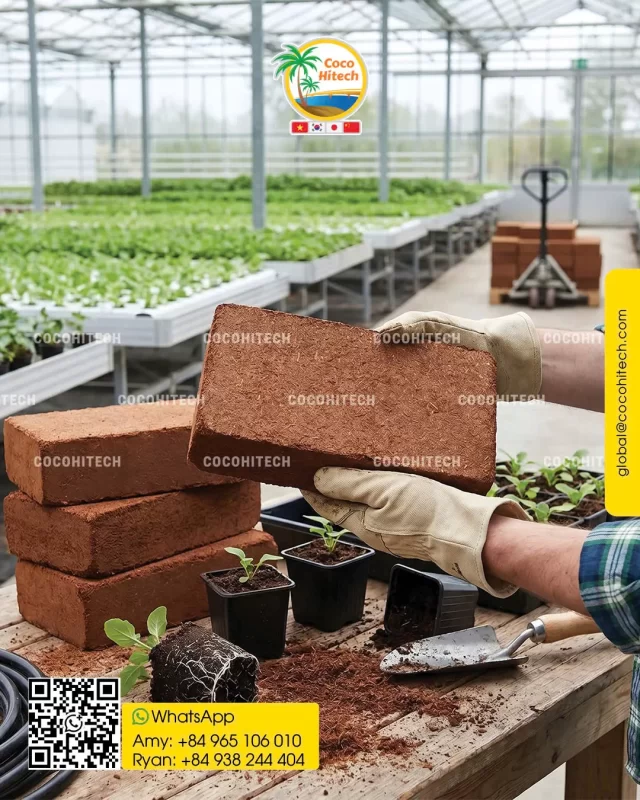
Coco peat briquettes are smaller compressed products commonly produced in compact sizes for retail gardening, seed starting, and small-scale cultivation.
They are easier for individual growers to handle than large blocks. After soaking, one briquette produces a manageable quantity of loose coco peat for pots, seedling trays, hanging baskets, or raised beds.
Best suited for
- Home gardeners
- Small plant nurseries
- Indoor plants
- Seed-starting mixes
- Retail gardening stores
- Small containers and pots
Kind of Coco Peat Briquettes ;
- coco peat brick 500 gram
- coco peat brick 650 gram
- coco peat brick 1 kgs
- coco peat brick 2 kgs
3. Compressed Coco Peat Discs
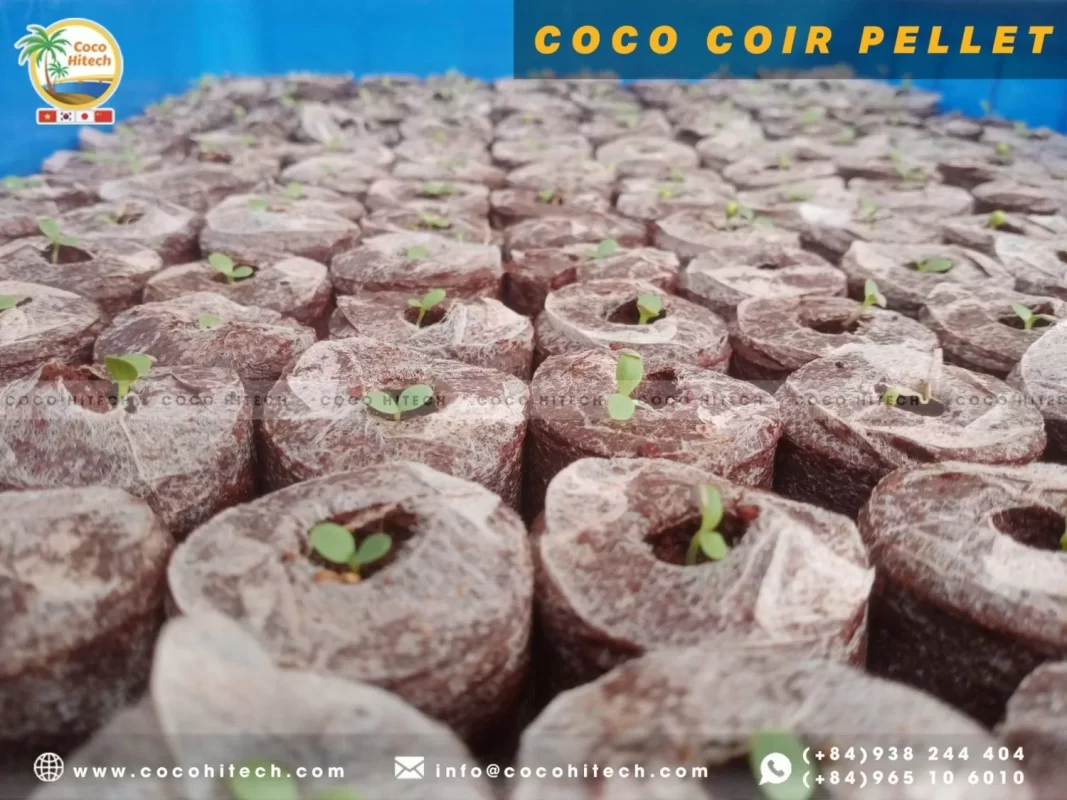
Compressed coco peat discs are round, lightweight products designed to expand directly inside pots, trays, seedling containers, or grow bags.
Some discs include a center hole for planting, while others are designed to be expanded before seeds or cuttings are inserted.
Typical applications
- Seed germination
- Nursery seedlings
- Plant propagation
- Small flowerpots
- Herb growing
- Home gardening kits
Their uniform shape and convenient size make coco peat discs suitable for retail packaging and automated nursery systems.
4. Coco Peat Grow Bags
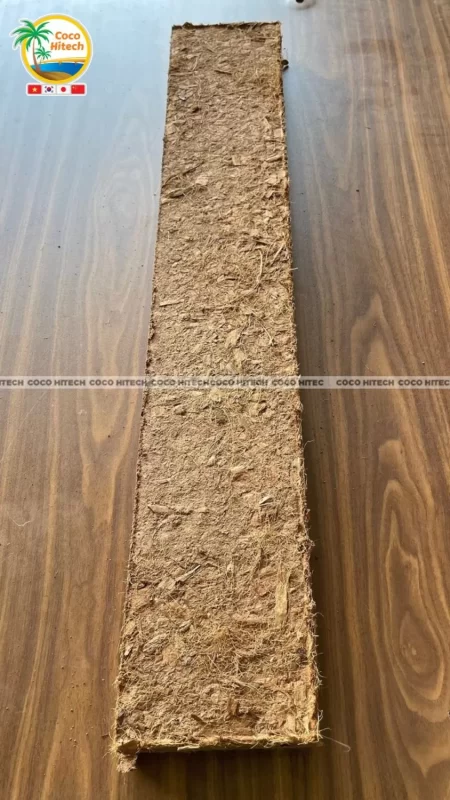
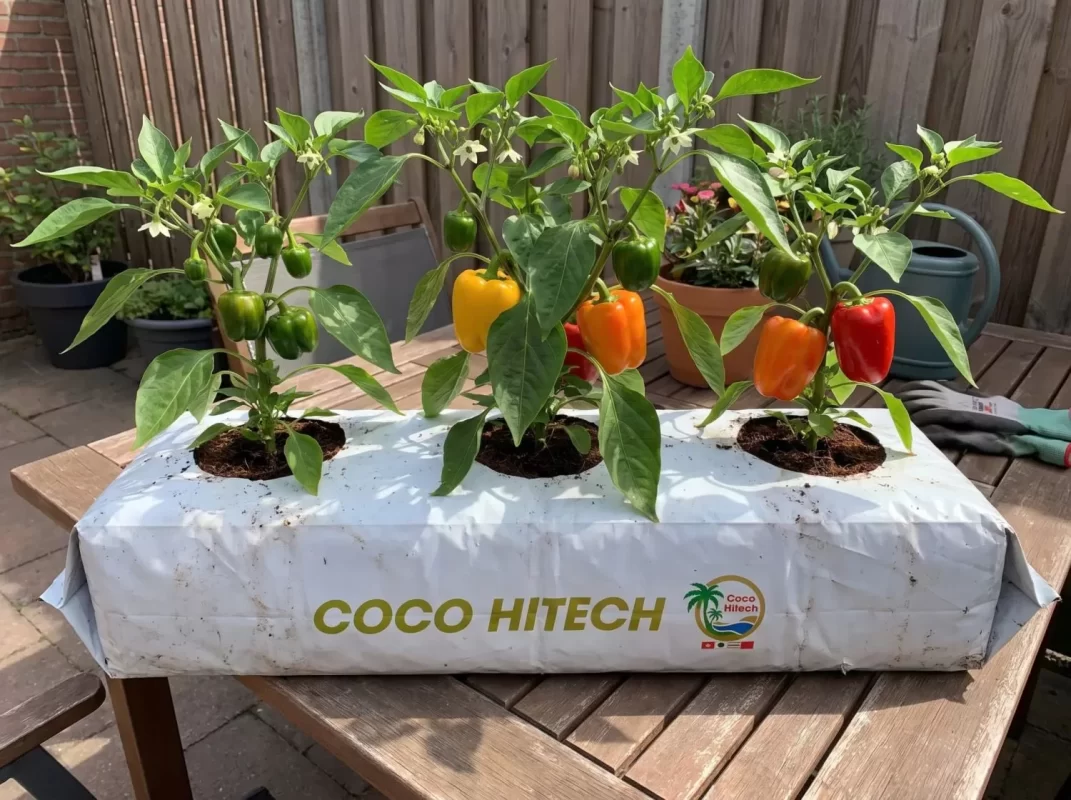
A coco peat grow bag contains compressed growing substrate inside a UV-treated plastic sleeve. Once hydrated, the material expands inside the bag and creates a ready-to-use root zone.
Grow bags may contain pure coco peat or a mixture of coco peat and coco chips. The ratio can be adjusted according to the crop’s drainage and aeration requirements.
For example, a blend containing coco peat and coco chips can provide better structural stability and air porosity than fine coco peat alone.
Suitable crops
- Tomatoes
- Cucumbers
- Strawberries
- Peppers
- Blueberries
- Melons
- Cut flowers
- Greenhouse vegetables
Grow bags are widely used in professional greenhouse and soilless cultivation systems because they simplify substrate handling and crop installation.
Types of Compressed Coco Peat by Processing Method
In addition to shape and packaging, compressed coco peat can also be classified according to its processing method.
Washed Low-EC Coco Peat
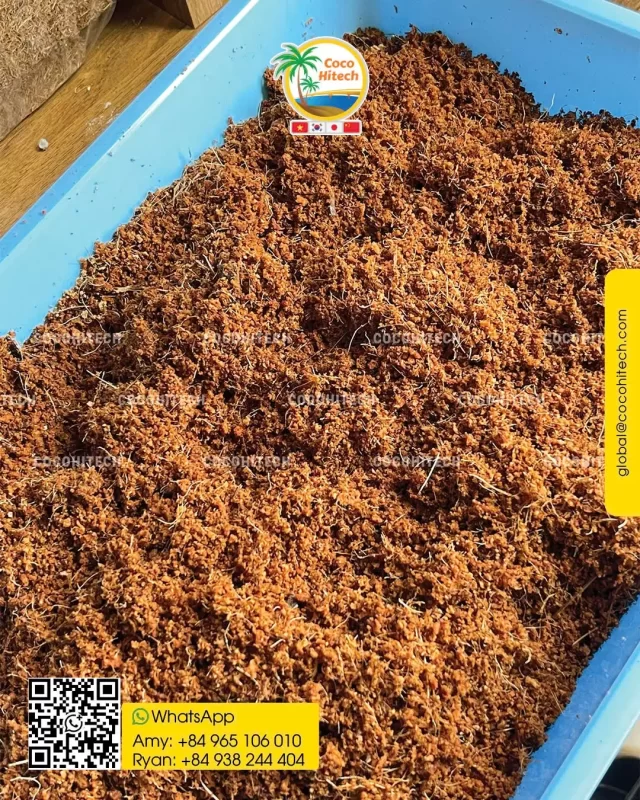
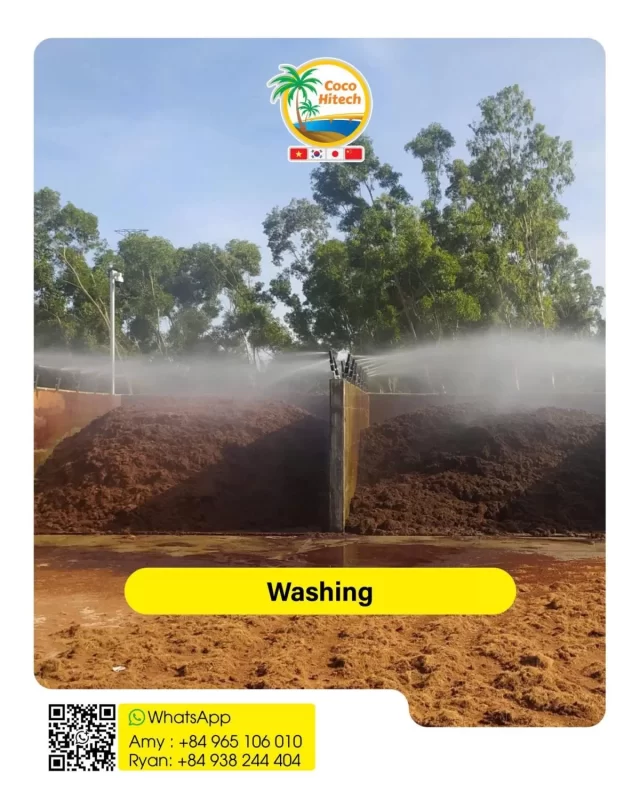
Washed coco peat is processed with clean water to reduce soluble salts. A properly controlled Low-EC product is commonly selected for professional horticulture, nurseries, hydroponics, and salt-sensitive crops.
COCO HITECH can supply washed coco peat blocks with specifications such as:
- Weight: approximately 5 kg
- Expansion volume: approximately 70–75 liters
- EC: no more than 0.5 mS/cm, depending on the agreed testing method
- pH: approximately 5.5–6.5
Growers should always confirm the EC testing method because results can vary depending on whether the supplier uses a 1:1.5, 1:5, volume-based, or weight-based extraction method.
Buffered Coco Peat
Buffered coco peat undergoes an additional treatment designed to reduce excess sodium and potassium while introducing calcium into the cation exchange sites of the substrate.
This type is frequently used in high-value horticultural production where nutrient management needs to be carefully controlled.
Buffered coco peat may be suitable for:
- Hydroponic farms
- Professional greenhouse cultivation
- Sensitive seedlings
- High-value vegetable crops
- Long production cycles
- Fertigation systems
Buffering is different from simple washing. Washing mainly removes soluble salts, while buffering helps improve the chemical balance of the substrate.
Unwashed or High-EC Coco Peat
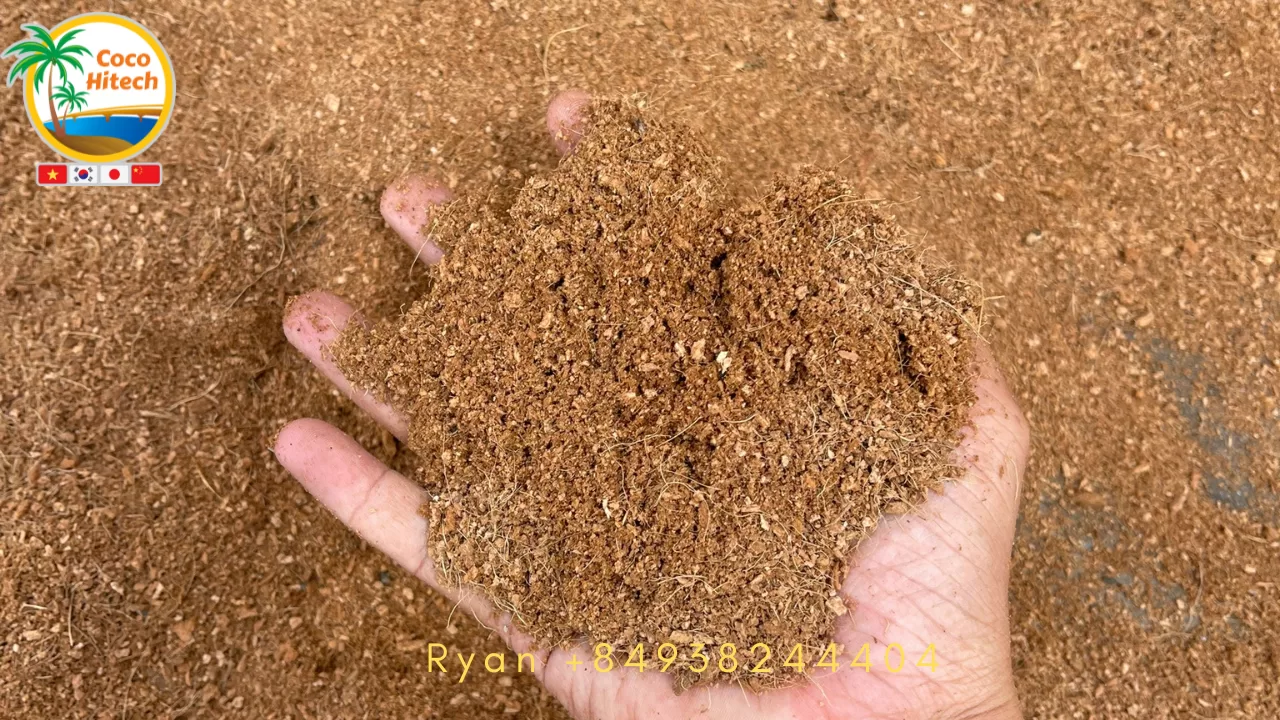
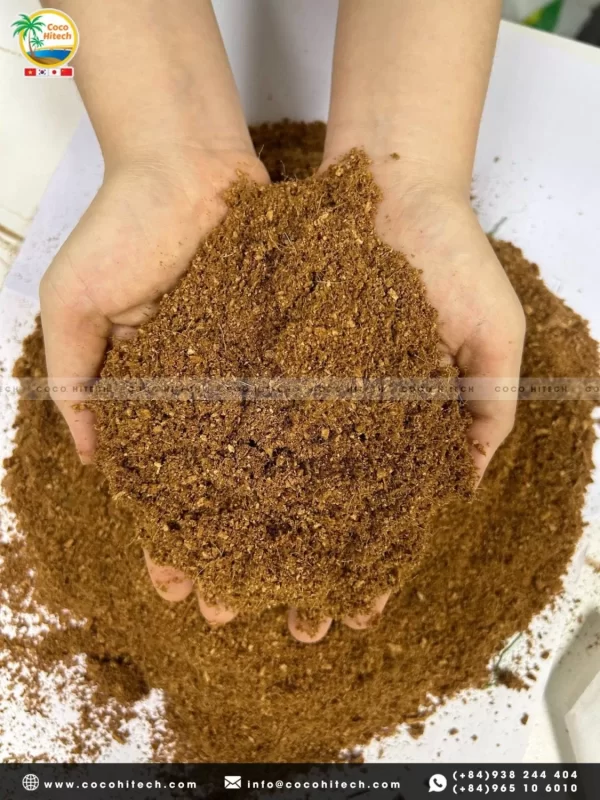
Unwashed coco peat contains a higher level of naturally occurring soluble salts. It is generally less suitable for direct use with sensitive plants unless it is thoroughly washed and tested before planting.
However, High-EC coco peat may still be used for certain non-sensitive applications, soil improvement projects, animal bedding, compost blends, or markets where buyers carry out their own washing process.
Growers should not select coco peat based only on price. EC level, intended application, crop sensitivity, and preparation requirements must also be considered.
Pure Coco Peat vs Coco Peat and Coco Chips Mix
Compressed substrates may contain pure coco peat or a blend of coco peat and coco chips.
Pure coco peat
Pure coco peat offers high moisture retention and is suitable for seedlings, potting mixes, soil conditioning, and crops requiring a consistently moist root environment.
However, very fine coco peat can hold excessive moisture if irrigation and drainage are not properly controlled.
Coco peat and coco chips blend
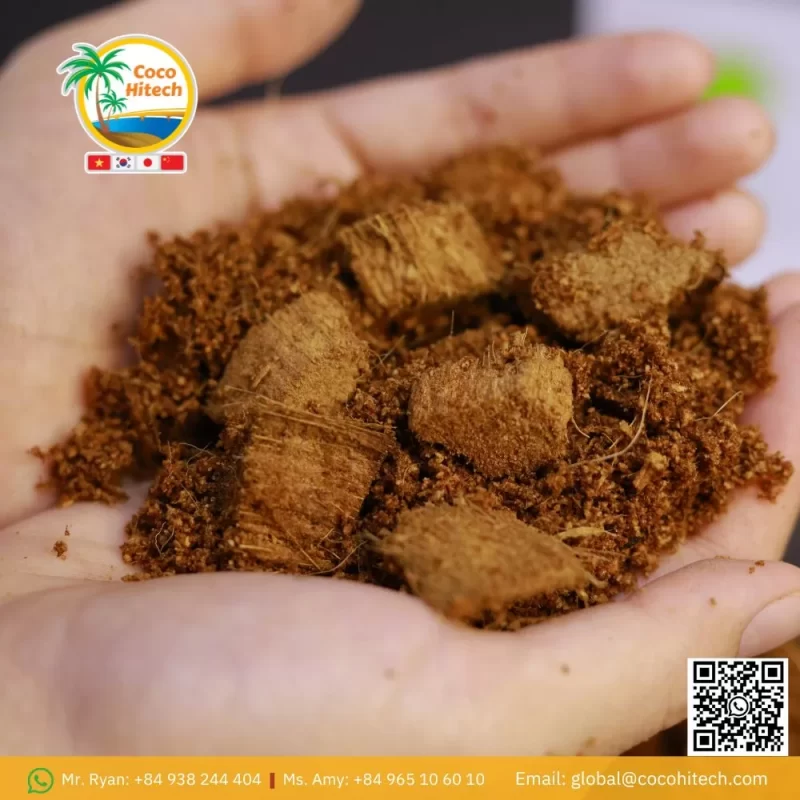
Adding coco chips improves air space, drainage, and structural stability. The chips create larger pores within the substrate, helping oxygen reach the roots.
A blended substrate is commonly selected for:
- Long-term greenhouse crops
- Tomatoes and cucumbers
- Blueberries
- Orchids
- Tropical plants
- Large containers
- Crops sensitive to poor root-zone aeration
The ideal ratio depends on crop requirements, container height, irrigation frequency, local climate, and cultivation duration.
How to Choose the Right Compressed Coco Peat
Before purchasing compressed coco peat, growers should check several important quality indicators.
EC level
EC indicates the concentration of soluble salts in the substrate. Low-EC coco peat is generally preferred for horticultural production, especially for seedlings and salt-sensitive crops.
pH range
A pH range of approximately 5.5–6.5 is commonly suitable for many horticultural crops. However, the final nutrient program should be adjusted according to the specific crop.
Expansion volume
A good compressed block should expand properly after hydration. Buyers should compare expansion volume rather than relying only on the block’s weight.
Moisture content
Excess moisture increases shipping weight and may reduce the effective amount of dry substrate inside the block.
Particle structure
The substrate should contain a suitable balance of fine and coarse particles. Excessively fine material may retain too much water, while an overly coarse structure may dry out too quickly.
Screening quality
Well-screened coco peat should contain minimal sand, stones, plastic, long fibers, and other unwanted materials.
Compression quality
The block should remain stable during transportation but still expand evenly when water is added.
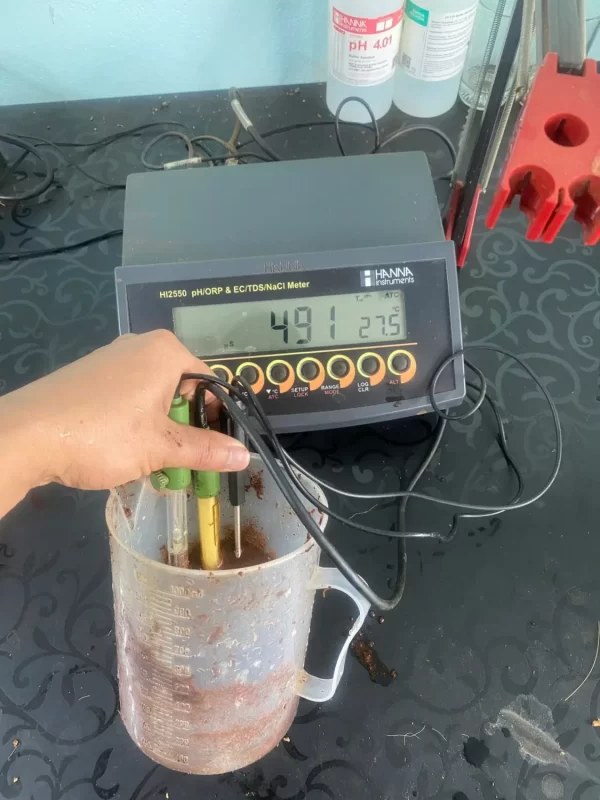
Testing method
Buyers should confirm how EC, pH, moisture, and expansion are measured. Comparing results from different testing methods may lead to inaccurate conclusions.
How to Expand a Compressed Coco Peat Block
Expanding a coco peat block is a simple process:
- Place the compressed block in a clean container or growing-media preparation area.
- Add clean water gradually and evenly.
- Allow the block enough time to absorb the water and expand.
- Break apart any remaining compressed sections.
- Mix the substrate thoroughly before use.
- Check moisture, EC, and drainage according to the crop requirements.
The amount of water should be controlled carefully. Adding too much water may make the substrate difficult to handle and can affect the final moisture level.
Which Type Is Best for Growers?
The best compressed coco peat product depends on the scale and purpose of cultivation.
Home gardeners may prefer briquettes or discs because they are easy to store and expand. Commercial nurseries and potting-mix producers often choose 5 kg blocks or large bales. Greenhouse growers commonly use coco peat grow bags or slabs because they are compatible with controlled irrigation and fertigation systems.
For sensitive crops and professional horticulture, washed Low-EC or buffered coco peat is generally a safer choice than untreated High-EC material.
Why Choose COCO HITECH Compressed Coco Peat?
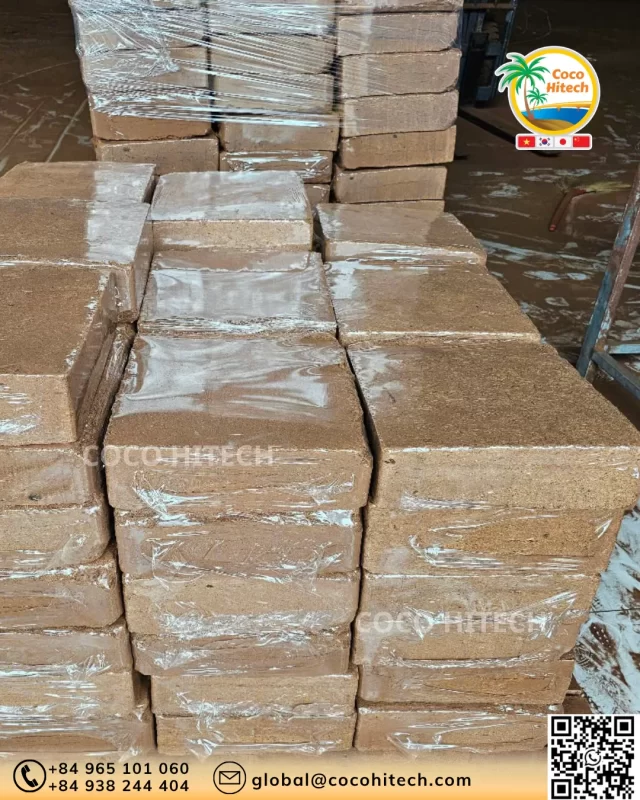
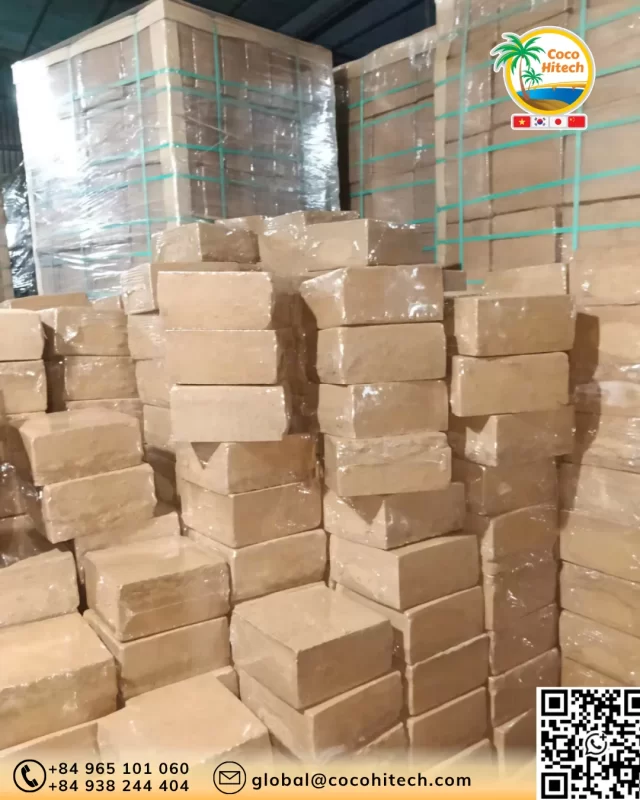
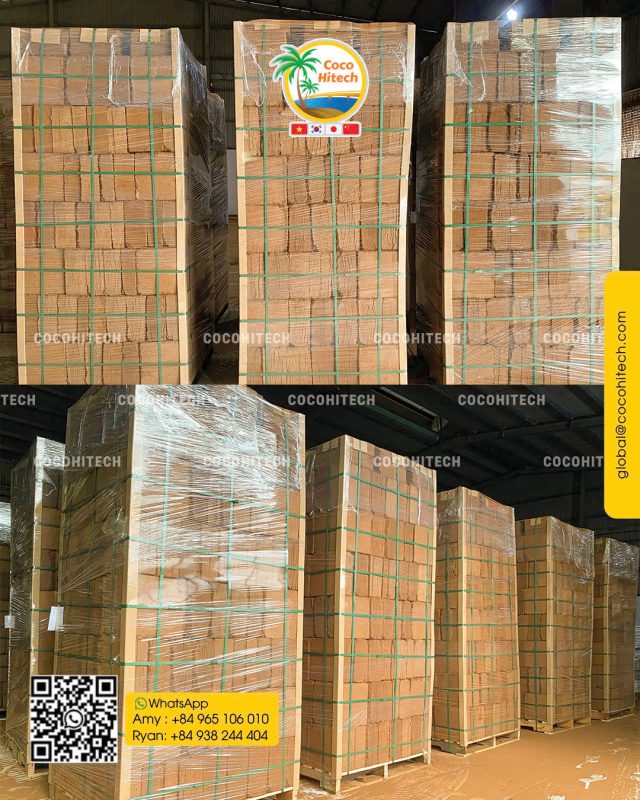
COCO HITECH is a Vietnam-based manufacturer and exporter of coconut growing media. We provide compressed coco peat products for nurseries, greenhouse farms, horticultural distributors, potting-mix companies, and agricultural buyers.
Our available product options may include:
- Compressed coco peat 5 kg blocks
- Washed Low-EC coco peat
- High-EC coco peat
- Coco peat and coco chips blends
- Coco grow bags
- Customized substrate specifications
- Export packaging for container shipments
Product specifications can be adjusted according to EC requirements, pH range, expansion volume, particle structure, crop application, and destination-market requirements.
COCO HITECH – Vietnam Coco Peat Block Manufacturer and Export Supplier
Independent business directories also list COCO HITECH as a verified Vietnamese manufacturer and exporter of coir rope and other coconut products.
OUR INTERNATIONAL TEAM SALE
- 대표: Mr.Ryan (Vietnam): +84 938244404(Kakaotalk, Wechat, Whatsapp)
- Amy (English) : +84 965106010 (WhatsApp, Kakao, Line)
- Ryna ( 한국 영업 담당자 ): +84 0364775030
- Vi (中文)+84397317401| 微信ID: Nttv0608
- Website: https://cocohitech.com
- Website: https://kr.cocohitech.com(Korea)
- Website: https://cocohitech.jp/ (Japan)
- Youtube: https://www.youtube.com/watch?v=X7uwnNDKJ4M&t=70s
- Instagram: https://www.instagram.com/cocohitech/
COCO HITECH JSC
261-263 Phan Xich Long Street, Ward 2, Phu Nhuan District, Ho Chi Minh City, Vietnam Tel: +8493 8244404 (Vietnam) Email: info@cocohitech.com https://cocohitech.com | https://coconutpowder.net