
When designing an outdoor area for a restaurant, café, hotel, resort, or hospitality venue, a patio umbrella does more than simply provide shade. It can significantly influence the overall style, atmosphere, and visual identity of the space.
For many years, conventional umbrellas made from polyester, acrylic, or other synthetic fabrics have been widely used because of their affordability and effective sun protection. However, as sustainable architecture and natural materials become increasingly important, the Coir Fiber Patio Umbrella is emerging as a distinctive alternative for businesses that want to create a more natural and memorable outdoor environment.
How is a coir fiber umbrella different from a conventional fabric umbrella? Which option is more suitable for restaurants, cafés, hotels, and resorts?
What Is a Coir Fiber Patio Umbrella?
Table of Contents
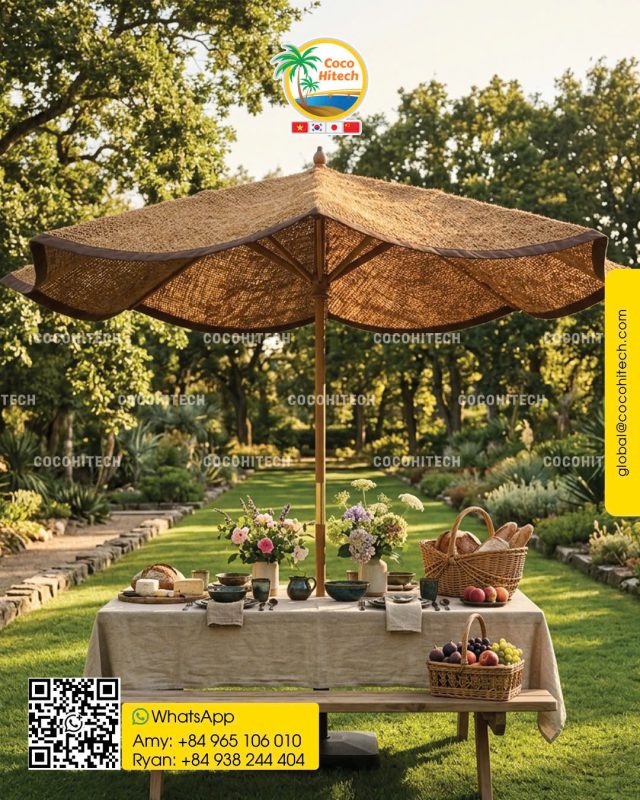
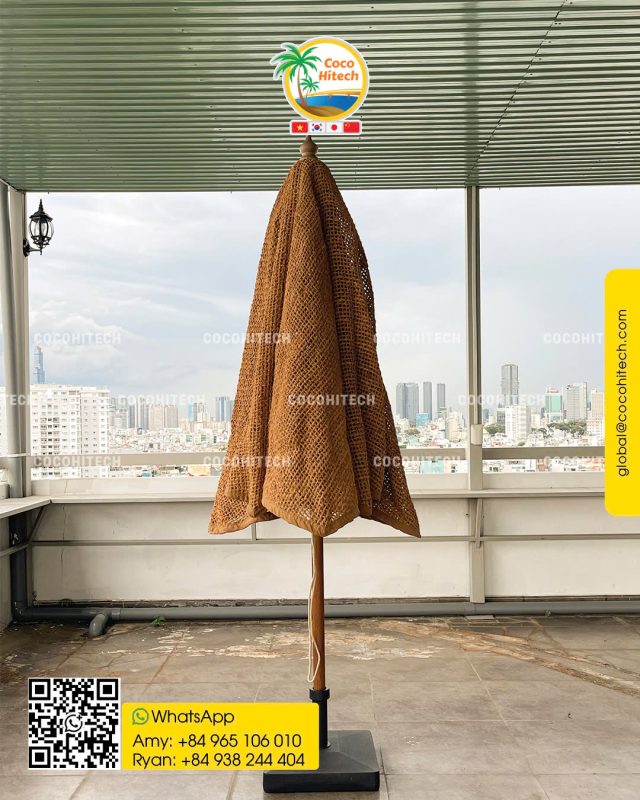
A Coir Fiber Patio Umbrella is an outdoor shade umbrella featuring a canopy made from natural coconut fiber. The coir fibers are processed and formed into a breathable mesh structure that creates shade while still allowing air and filtered sunlight to pass through.
The coir canopy is often combined with a wooden frame and pole, creating a natural, rustic appearance that blends harmoniously with outdoor landscapes.
Coir fiber patio umbrellas are particularly suitable for
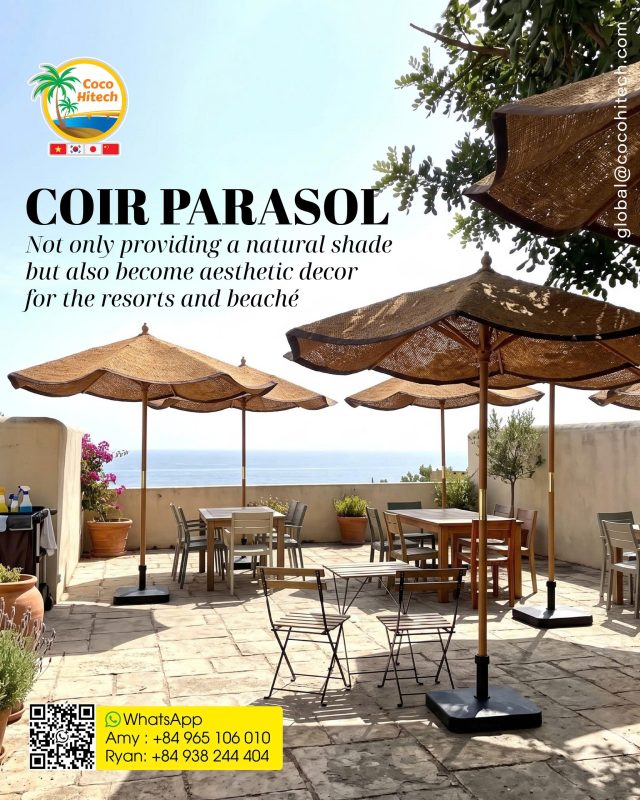
- Outdoor restaurants and cafés
- Beach resorts and hotels
- Poolside areas
- Gardens and patios
- Camping and glamping sites
- Tropical, rustic, coastal, or eco-friendly spaces
Unlike a fully covered fabric canopy, a coir fiber umbrella creates soft, natural shade and an attractive filtered-light effect, bringing a warm and relaxing atmosphere to the area beneath it.
What Is a Conventional Fabric Umbrella?
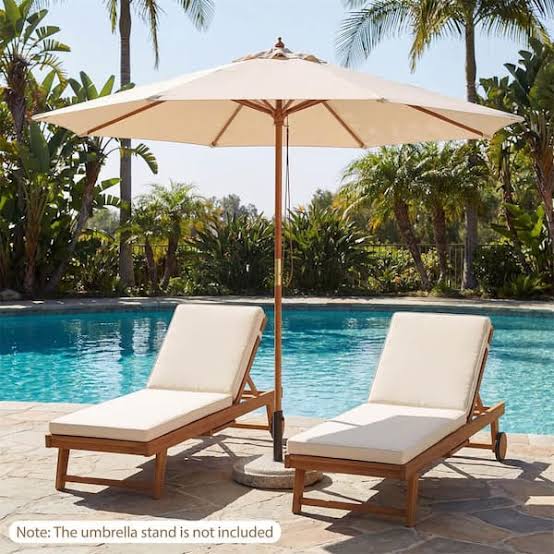
A Conventional Fabric Umbrella is an outdoor umbrella with a canopy made from polyester, acrylic, olefin, or another synthetic fabric.
This is a familiar choice for restaurants, cafés, beaches, swimming pools, and residential patios because it provides effective shade, comes in many designs, and can be manufactured on a large scale.
Fabric umbrellas are available in a wide variety of colors, sizes, shapes, and patterns. Some premium outdoor fabrics are also treated for UV resistance, water resistance, and improved color retention.
However, in terms of natural appearance and sustainability, synthetic fabric umbrellas may not provide the same distinctive character as umbrellas made from natural materials.
Coir Fiber Patio Umbrella vs. Conventional Fabric Umbrella
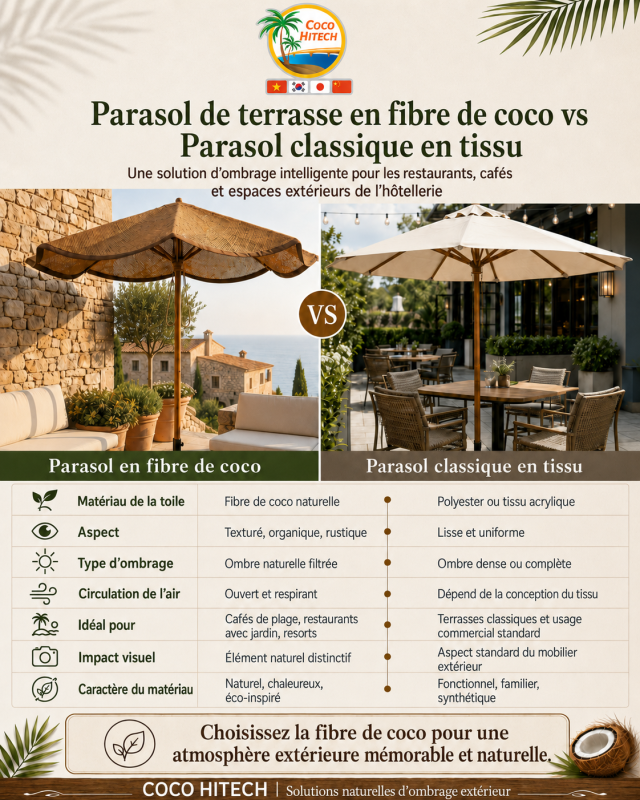
| Comparison criteria | Coir Fiber Patio Umbrella | Conventional Fabric Umbrella |
|---|---|---|
| Canopy material | Natural coconut fiber | Polyester, acrylic, olefin, or synthetic fabric |
| Design style | Natural, rustic, tropical, and distinctive | Modern, common, and available in many colors |
| Shade effect | Breathable, filtered, natural shade | Denser and more uniform shade |
| Air circulation | Good due to the open fiber structure | More limited because of the closed fabric surface |
| Visual appeal | Unique and highly decorative | Familiar and easy to coordinate |
| Sustainability | Made from a renewable natural material | Usually made from synthetic materials |
| Rain protection | Not designed to provide complete rain protection | Some fabrics offer water resistance |
| Best applications | Resorts, beaches, garden cafés, and eco-friendly venues | Homes, restaurants, pools, and commercial spaces |
| Brand differentiation | High due to its distinctive appearance | Moderate because the design is widely used |
| Maintenance | Requires suitable use and storage | Generally easier to clean and replace |
1. Difference in Materials
The most important difference between the two types of umbrellas is the canopy material.
Conventional umbrellas commonly use synthetic fibers made from plastic-based or industrially produced materials. These fabrics are lightweight, easy to dye, and can be treated to improve water resistance and UV protection.
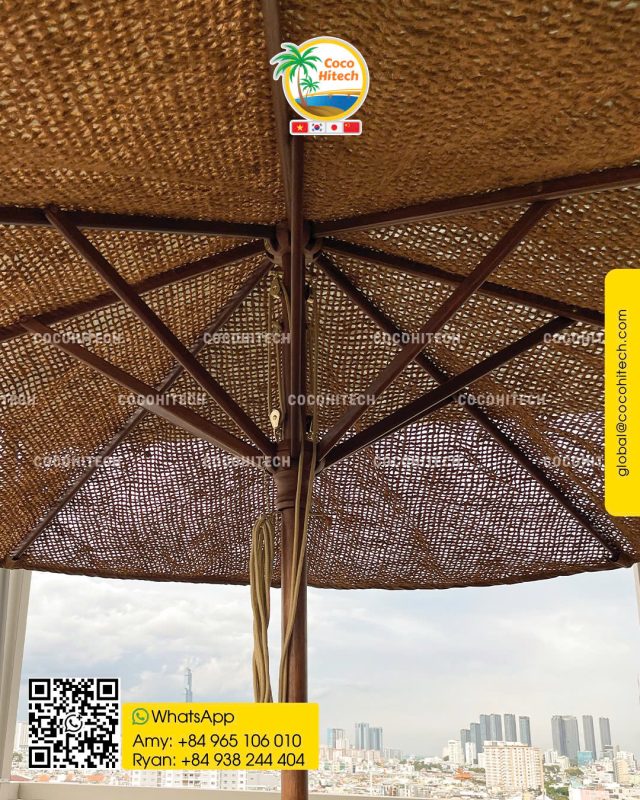
A Coir Fiber Patio Umbrella, on the other hand, uses fiber extracted from coconut husks. Coir is a natural material with a strong, textured structure and a characteristic warm brown color.
The coir canopy is not completely closed like fabric. This open structure creates a distinctive organic appearance and a filtered-light effect that conventional umbrellas cannot easily reproduce.
2. Difference in Shade Performance
A conventional fabric umbrella creates a relatively dense and uniform shaded area. It is suitable for locations that require stronger protection from direct sunlight.
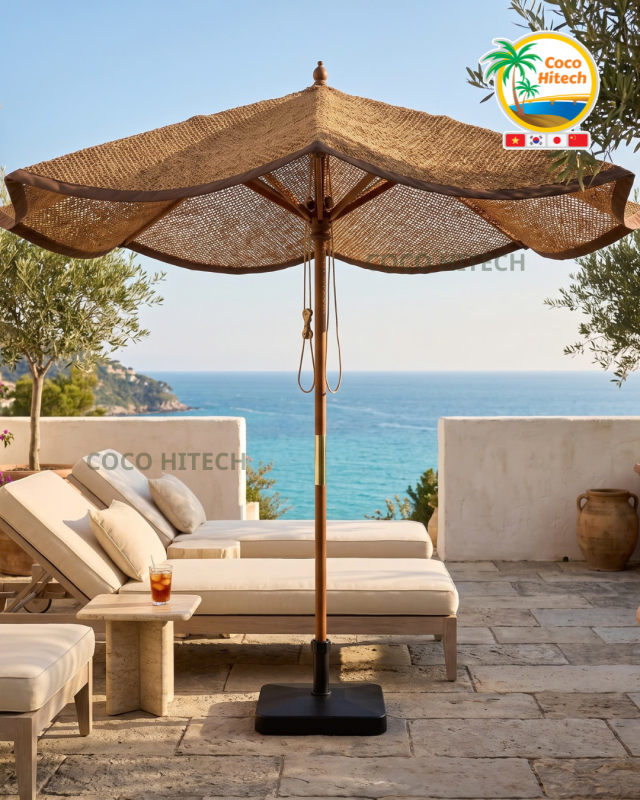
A coir fiber umbrella creates a softer and more breathable type of shade. A limited amount of sunlight may pass through the small openings between the coconut fibers, producing attractive patterns of light and shadow on tables, chairs, and the ground.
For this reason, coir fiber patio umbrellas are particularly suitable for resorts, beaches, garden cafés, and hospitality spaces where atmosphere and connection with nature are important.
However, a coir fiber umbrella should not be considered a completely sunproof or waterproof shelter. Its main purposes are to provide natural shade, enhance outdoor scenery, and add decorative value.
3. Difference in Air Circulation
Because conventional fabric canopies have a closed surface, heat may become trapped underneath them, particularly on hot days with little wind.
The breathable mesh structure of a coir fiber canopy allows air to move through the material more naturally. This can create a more comfortable environment in hot climates and coastal areas.
Natural airflow also makes coir fiber umbrellas suitable for outdoor dining spaces where guests want shade while still enjoying fresh air and sea breezes.
4. Difference in Design and Aesthetic Appeal
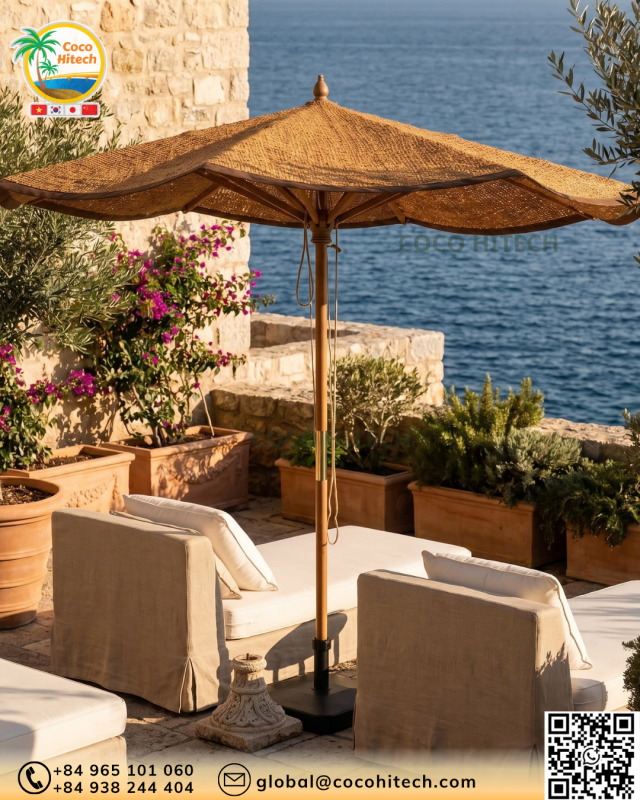
Conventional fabric umbrellas offer greater variety. Buyers can choose from numerous colors, patterns, and designs to match a company’s branding or the surrounding architecture.
However, because conventional umbrellas are so widely used, they may not make a restaurant, café, or resort stand out from competing venues.
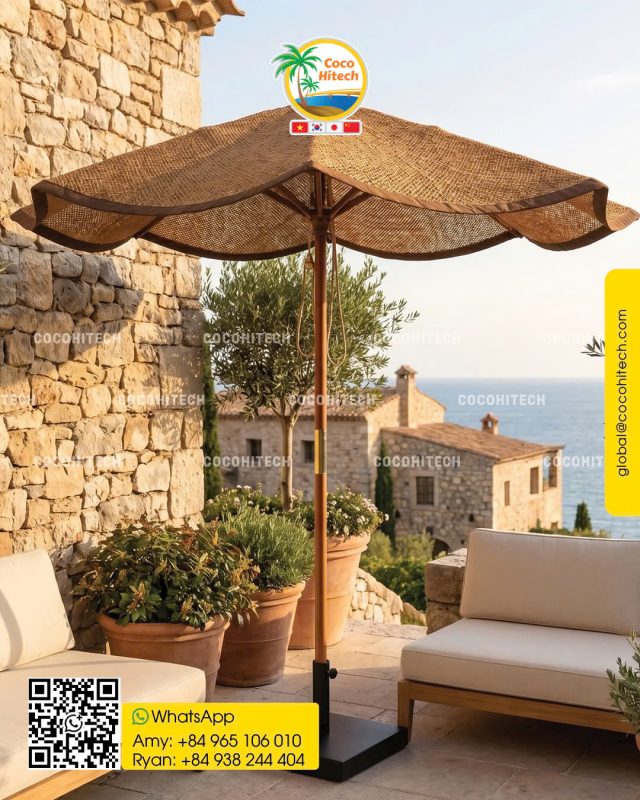
A Coir Fiber Patio Umbrella features the natural brown tones and visible texture of coconut fiber. When combined with wood, stone, greenery, and outdoor furniture, it creates a warm and visually rich environment.
Coir fiber umbrellas are especially suitable for design styles such as:
- Tropical
- Rustic
- Bohemian
- Coastal
- Eco-resort
- Mediterranean
- Natural luxury
The umbrella is not simply a shade structure. It can become an important part of the property’s landscape design and visual identity.
5. Difference in Sustainability
Consumers and hospitality businesses are paying increasing attention to the origin of materials and the environmental impact of the products they use.
Synthetic fabric umbrellas are generally difficult to biodegrade. When the canopy becomes damaged or is replaced, the synthetic material may become waste that requires appropriate disposal.
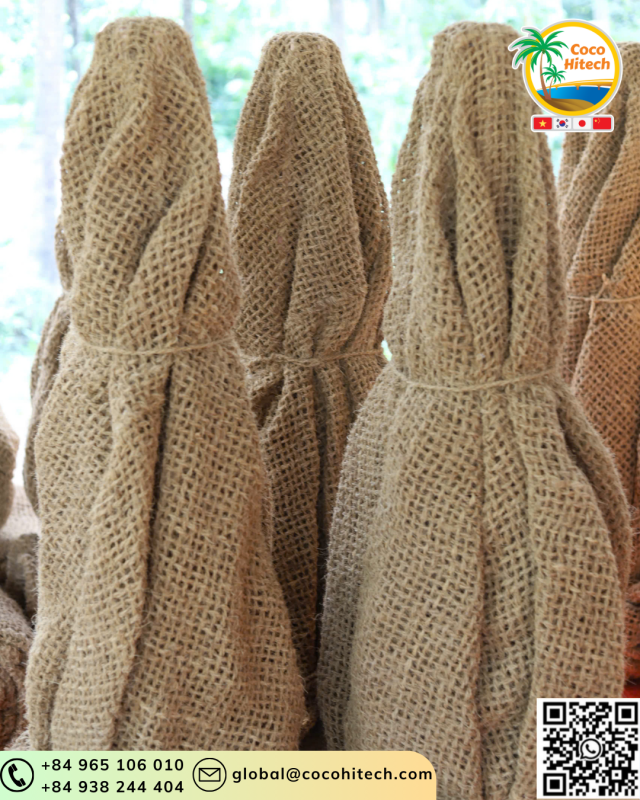
Coir fiber is a natural material obtained from coconut husks. Transforming coconut husks into shade products can help increase the value of agricultural by-products and reduce dependence on plastic-based materials.
For hotels, resorts, restaurants, and cafés that are developing a greener image, a coir fiber umbrella can serve as a visible expression of their connection to nature and commitment to more responsible material choices.
6. Difference in Rain Protection
Rain protection is an important factor to consider before selecting an outdoor umbrella.
Some conventional fabric umbrellas are made with coated or water-resistant materials. Their closed surfaces may provide temporary protection from light rain.
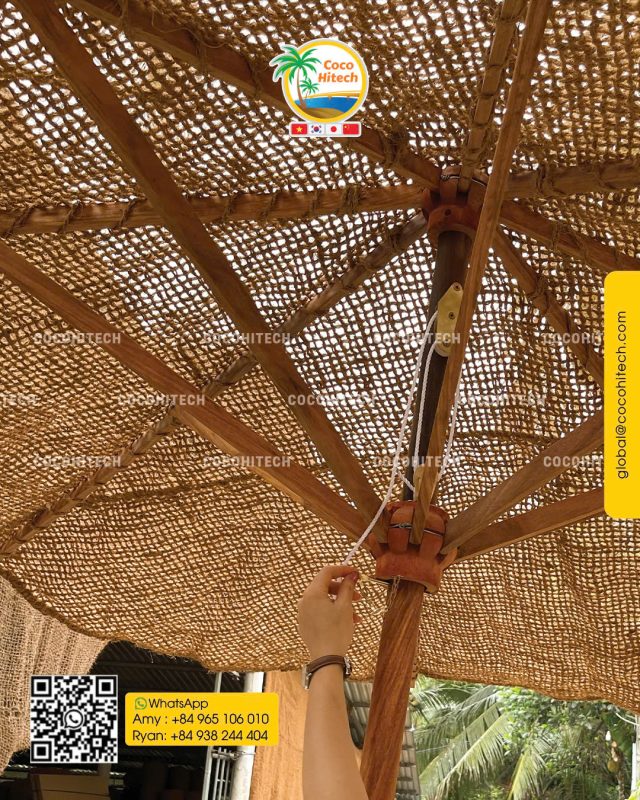
A coir fiber canopy has a naturally open structure and cannot provide complete protection from rain. Water can pass through the spaces between the fibers.
Therefore, a coir fiber umbrella is primarily recommended for shade and decorative use in dry weather. It should be properly stored or protected during heavy rain, strong winds, storms, or long periods of non-use.
7. Difference in Customer Experience
For hospitality businesses, customer experience is influenced not only by food, drinks, or accommodation quality, but also by the design and atmosphere of the surrounding environment.
A conventional fabric umbrella effectively meets basic shade requirements, but it does not always become a memorable feature of the venue.
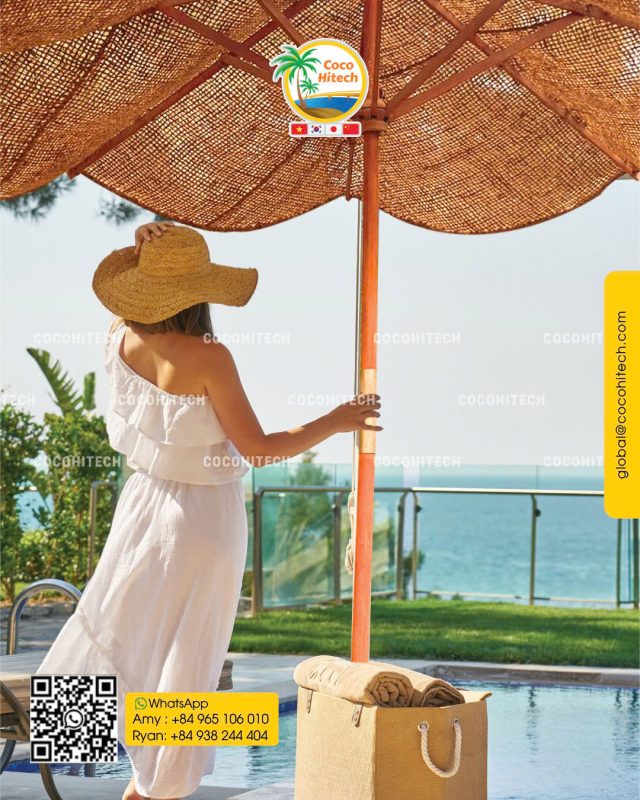
A coir fiber umbrella can create a more recognizable and photogenic setting. The coconut fiber texture, natural wooden frame, and sunlight filtering through the canopy can create visually appealing areas, particularly at resorts, beach clubs, outdoor restaurants, and garden cafés.
A distinctive outdoor design may also encourage guests to take photographs and share the location on social media, helping the business gain additional organic exposure.
Advantages of a Coir Fiber Patio Umbrella
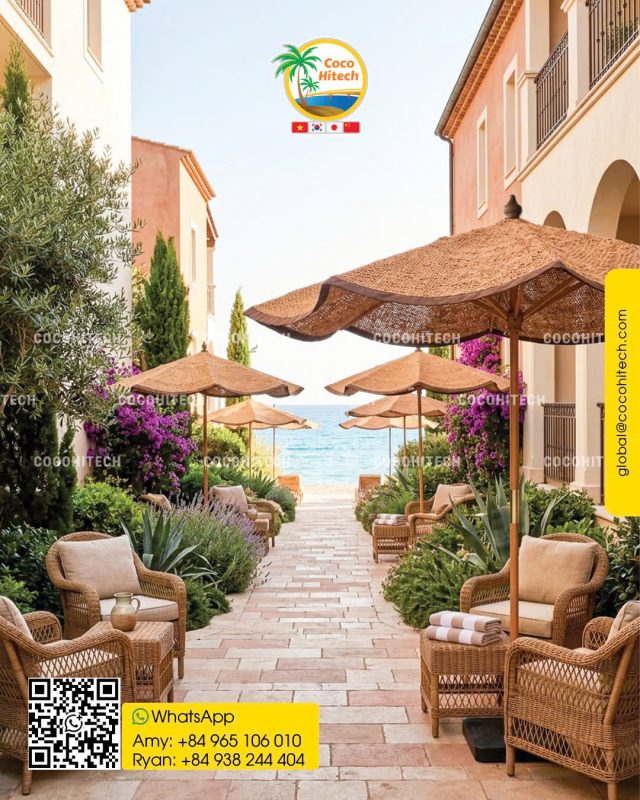
The main advantages of a coir fiber patio umbrella include:
- Made with coconut fiber of natural origin
- Creates soft and breathable shade
- Supports natural air circulation
- Provides a rustic yet premium appearance
- Complements green architecture and sustainable design
- Creates a distinctive feature within outdoor spaces
- Coordinates well with wood, stone, plants, and natural materials
- Suitable for restaurants, cafés, hotels, resorts, and beach venues
Limitations of a Coir Fiber Patio Umbrella
Buyers should also consider the following limitations:
- It does not provide complete rain protection
- It does not create shade as dense as a closed fabric canopy
- Proper storage is recommended during severe weather
- Natural colors are less varied than dyed fabrics
- It is best suited to specific architectural styles
- The initial investment may be higher than that of a basic mass-market umbrella
Understanding these characteristics can help businesses select and use the product more effectively.
When Should You Choose a Conventional Fabric Umbrella?
A conventional fabric umbrella may be the more suitable choice when:
- Dense and uniform shade is required
- Temporary protection from light rain is important
- Specific brand colors are required
- The initial budget is limited
- Easy replacement and widespread availability are priorities
- The space follows a modern or standard commercial design
When Should You Choose a Coir Fiber Patio Umbrella?
A coir fiber patio umbrella may be the better choice when:
- The space follows a natural or eco-inspired design
- The business wants to create a distinctive visual feature
- The restaurant, hotel, or resort prioritizes natural materials
- The umbrella will be installed on a beach, in a garden, or beside a swimming pool
- The business wants to strengthen its environmentally conscious image
- The surrounding design includes wood, stone, greenery, and organic textures
- The objective is not only to provide shade but also to enhance the landscape
COCO HITECH Coir Fiber Patio Umbrella
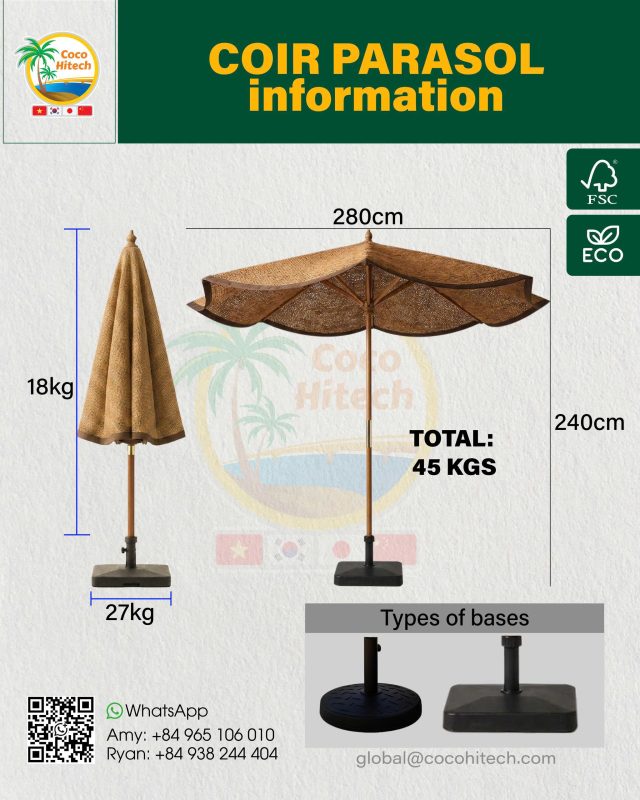
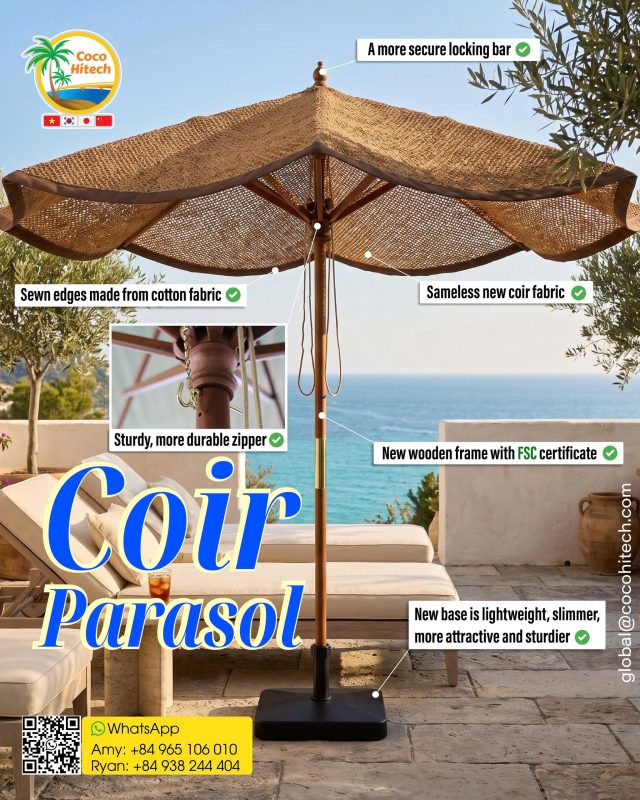
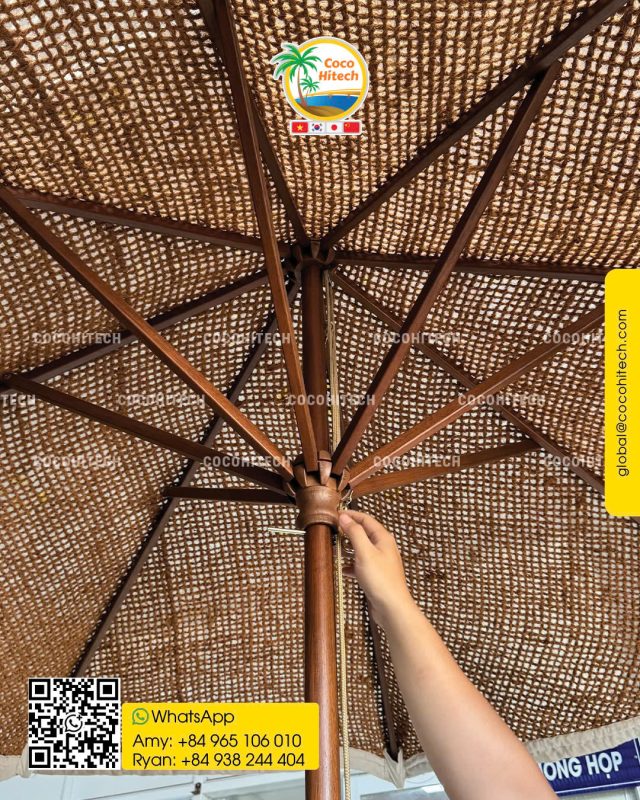
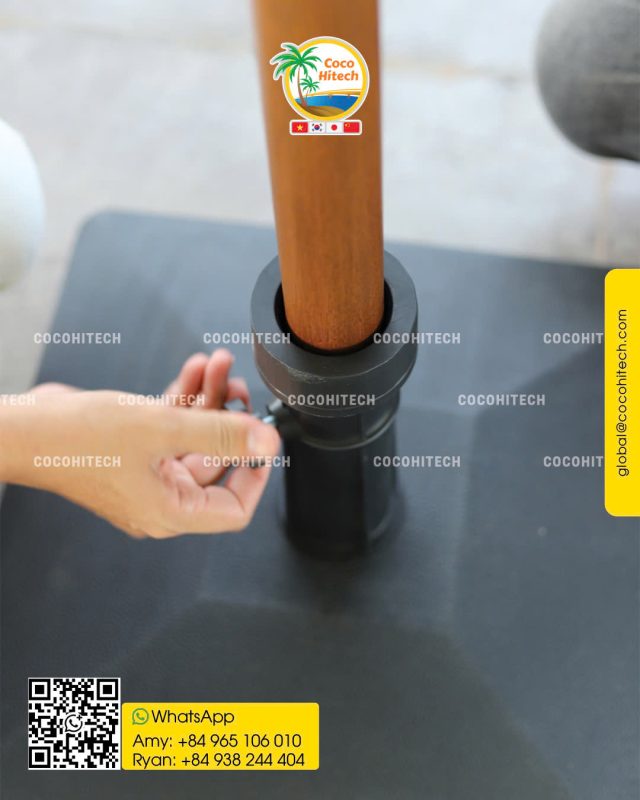
COCO HITECH supplies outdoor patio umbrellas designed with natural coconut fiber canopies and wooden structures, making them suitable for a wide range of hospitality and outdoor projects.
The products can be used in:
- Premium hotels and resorts
- Beachfront restaurants
- Garden cafés
- Poolside areas
- Beach clubs
- Eco-resorts
- Camping and glamping sites
- Patios and outdoor recreational spaces
With its natural color and distinctive coconut fiber texture, the COCO HITECH Coir Fiber Patio Umbrella helps create a relaxing outdoor environment that feels closer to nature and stands apart from conventional fabric umbrellas.
Conclusion
No single umbrella is suitable for every project.
A Conventional Fabric Umbrella is a practical solution when dense shade, multiple color choices, water resistance, and flexibility are the main priorities.
A Coir Fiber Patio Umbrella is better suited to spaces that aim to create a natural experience, improve visual appeal, and express a preference for renewable and environmentally conscious materials.
For restaurants, cafés, hotels, and resorts searching for a product that provides shade while also serving as a distinctive landscape feature, a coir fiber patio umbrella is a compelling option.
Rather than being merely an outdoor umbrella, the Coir Fiber Patio Umbrella can become an important part of the venue’s design story, customer experience, and brand identity.
COCO HITECH has successfully exported coir products to:
- Europe (France, Germany, Netherlands, Spain)
- U.S.A
- Asia (Korea, Japan)
- Other international markets
Our products are trusted for quality, sustainability, and reliability.
OUR INTERNATIONAL TEAM SALE
- 대표: Mr.Ryan (Vietnam): +84 938244404(Kakaotalk, Wechat, Whatsapp)
- Amy (English) : +84 965106010 (WhatsApp, Kakao, Line)
- Ryna ( 한국 영업 담당자 ): +84 0364775030
- Vi (中文)+84397317401| 微信ID: Nttv0608
- Website: https://cocohitech.com
- Website: https://kr.cocohitech.com(Korea)
- Website: https://cocohitech.jp/ (Japan)
- Youtube: https://www.youtube.com/watch?v=X7uwnNDKJ4M&t=70s
- Instagram: https://www.instagram.com/cocohitech/
COCO HITECH JSC
261-263 Phan Xich Long Street, Ward 2, Phu Nhuan District, Ho Chi Minh City, Vietnam Tel: +8493 8244404 (Vietnam) Email: info@cocohitech.com https://cocohitech.com | https://coconutpowder.net