
The fundamental environmentally friendly advantages of a natural coir mat used as a path way

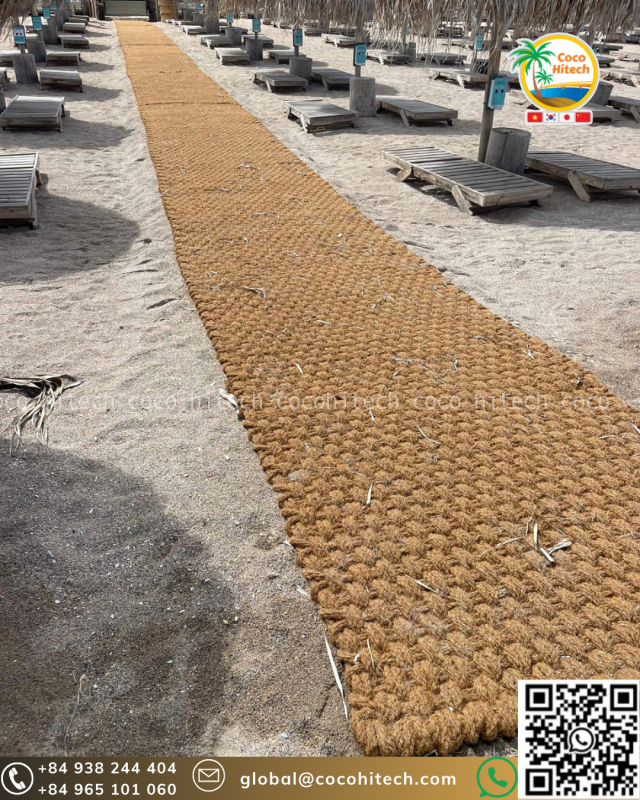
Selecting natural materials for hardscaping projects directly impacts the long term health of your yard. A natural coir mat used as a path way introduces organic matter into the environment rather than locking the earth beneath an impermeable barrier. This approach aligns perfectly with modern low-impact landscaping principles.
Transforming coconut waste into a completely sustainable garden solution
Table of Contents
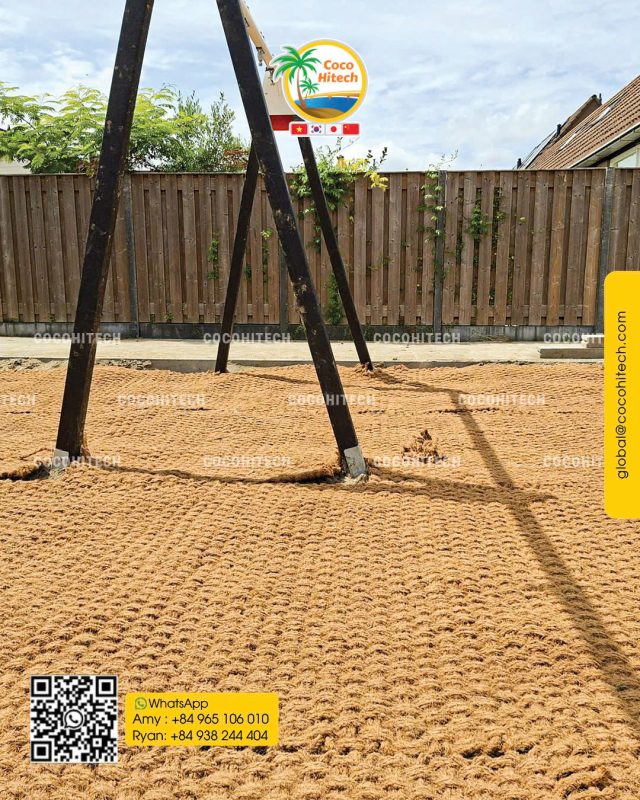
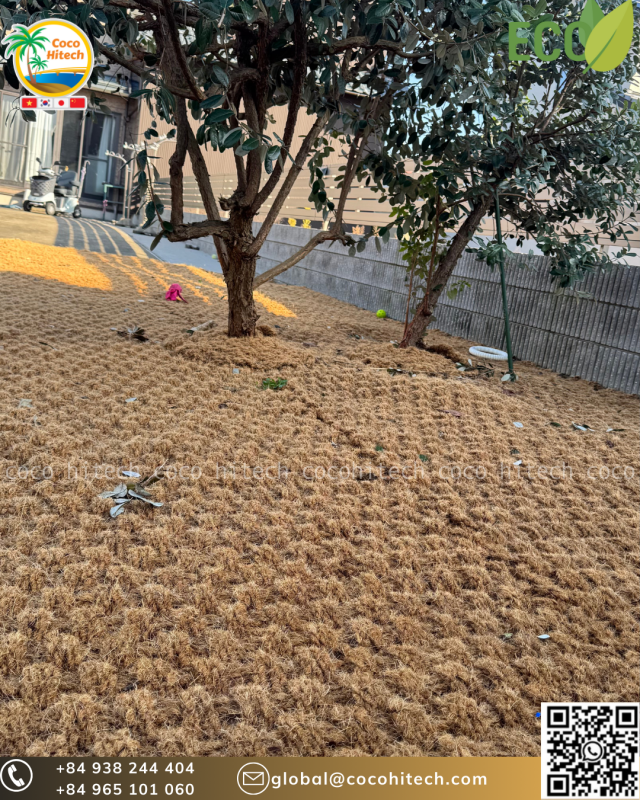
The production of coconut husk mats utilizes the protective outer shells of coconuts that would otherwise be discarded. By spinning this lignin-rich coconut fiber into tightly woven fabrics, manufacturers create an incredibly tough coir carpet. Consequently, this repurposing process diverts agricultural waste and turns it into a valuable landscaping asset.
Homeowners who implement permaculture design paths often look for materials that serve multiple ecological functions. Natural fiber mats for walkways meet this need by providing a structural surface that does not require chemical treatments during manufacturing. This creates a truly sustainable garden landscape from the ground up.
Nourishing the earth through one hundred percent natural biodegradation
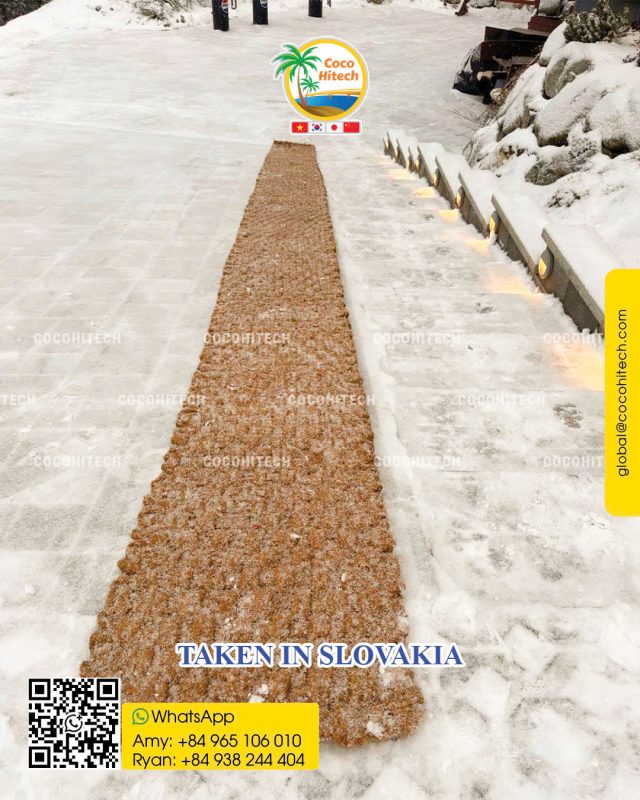

Unlike plastic weed barriers that eventually shred and pollute the soil, this compostable garden flooring safely breaks down over time. As the fibers degrade, they act as an organic mulch alternative that introduces beneficial carbon back into the earth. This slow breakdown process continuously feeds the beneficial microorganisms living in the topsoil.
The natural cation exchange capacity of coir mats helps the soil retain essential nutrients during this decomposition phase. Ultimately, the pathway material completes a full ecological lifecycle, turning into rich compost that supports future plant growth.
How woven coconut fibers provide superior natural weed suppression

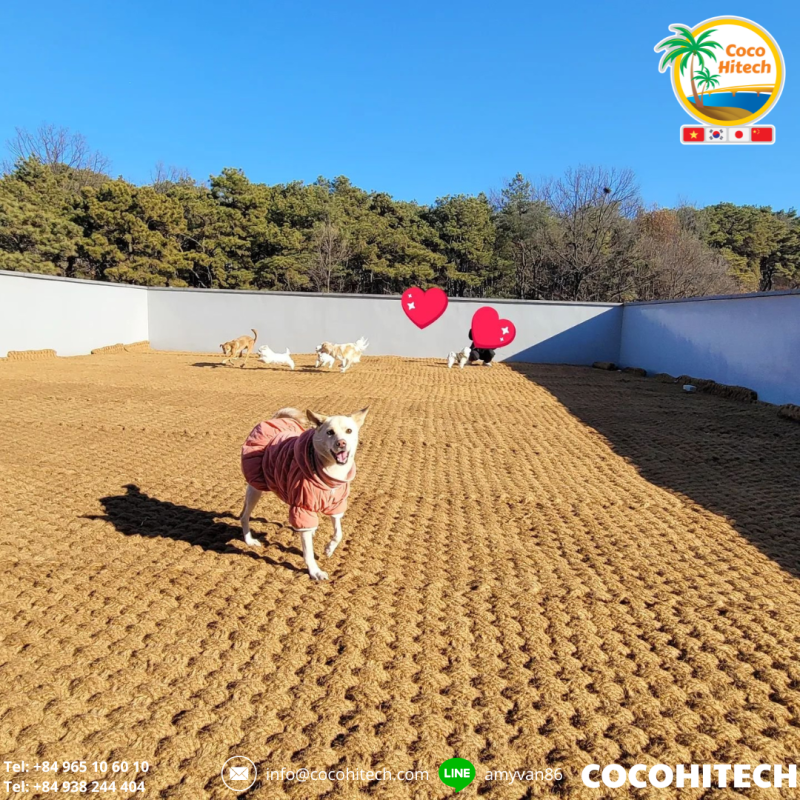
Maintaining clear trails usually requires constant weeding or the application of harsh chemical herbicides. Fortunately, a natural coir mat used as a path way serves as excellent weed suppression matting that reduces ongoing yard maintenance. The dense weave creates a physical barrier that stops unwanted seeds from establishing roots.
Stopping direct sunlight to halt aggressive weed growth

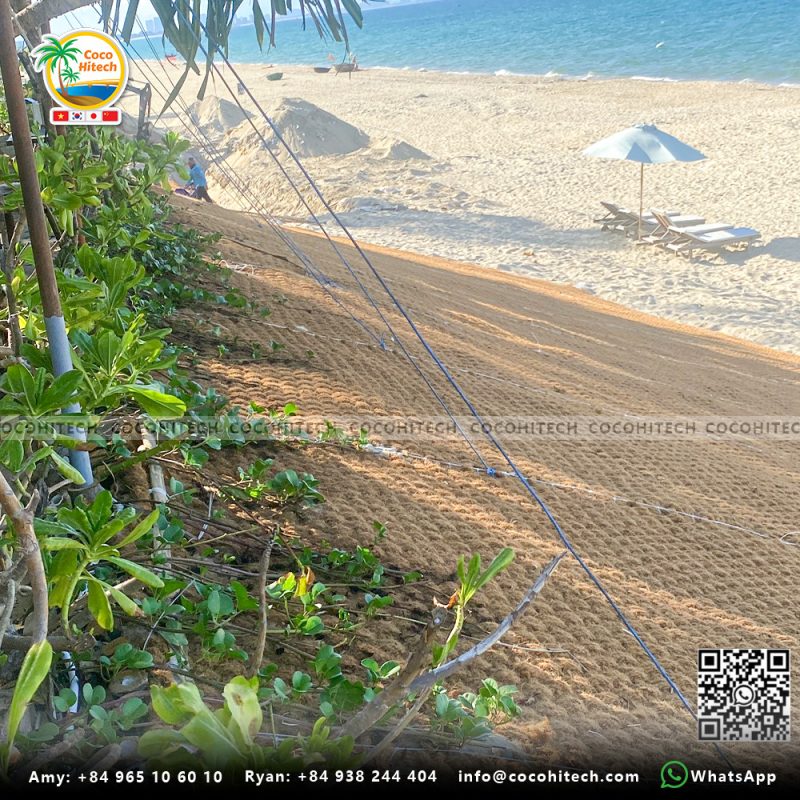
Weeds require ample sunlight to germinate and spread across your yard. By laying down a thick biodegradable pathway liner, you block the solar exposure necessary for invasive plants to thrive. This shading effect drastically reduces the labor required to keep your walking routes looking neat and tidy.
Furthermore, because the material conforms well to the ground, it eliminates the small gaps where opportunistic weeds typically sprout. Your pathways remain clear and distinct throughout the active growing seasons.
Permitting crucial rainwater and oxygen to reach the underlying soil
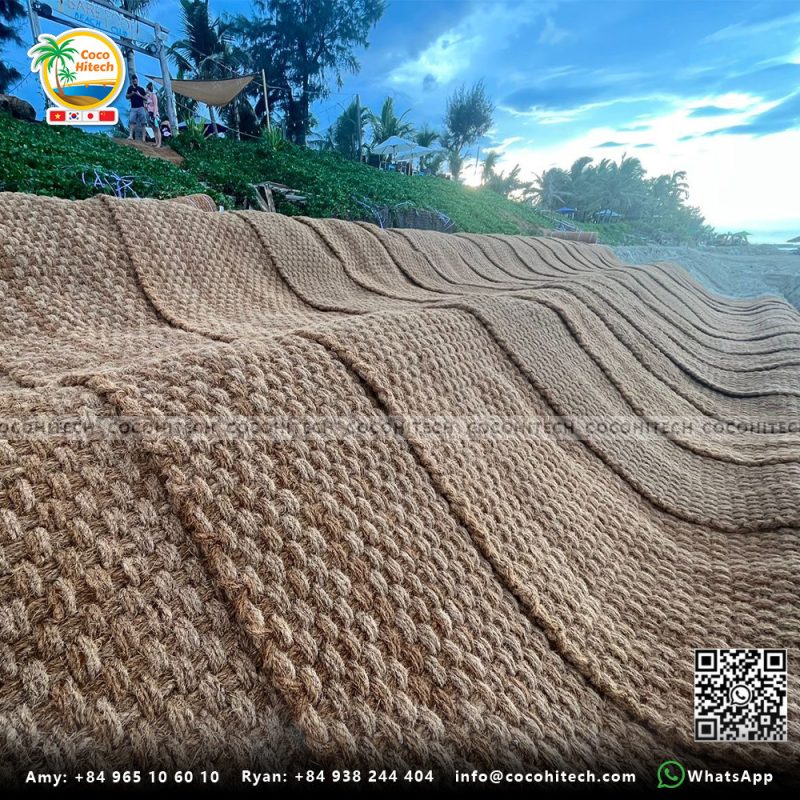
While blocking sunlight, the porous nature of the fibers still supports a healthy permeable paving layout. Rainwater flows easily through the material, ensuring the soil below does not become compacted or stagnant. This breathability is essential for maintaining a healthy biological balance beneath your trails.
Oxygen exchange continues unimpeded, which prevents the sour smells often associated with rubber or plastic path liners. This dual action of suppressing weeds while promoting soil respiration makes the material highly effective.
Preventing serious topsoil erosion along your steep backyard trails
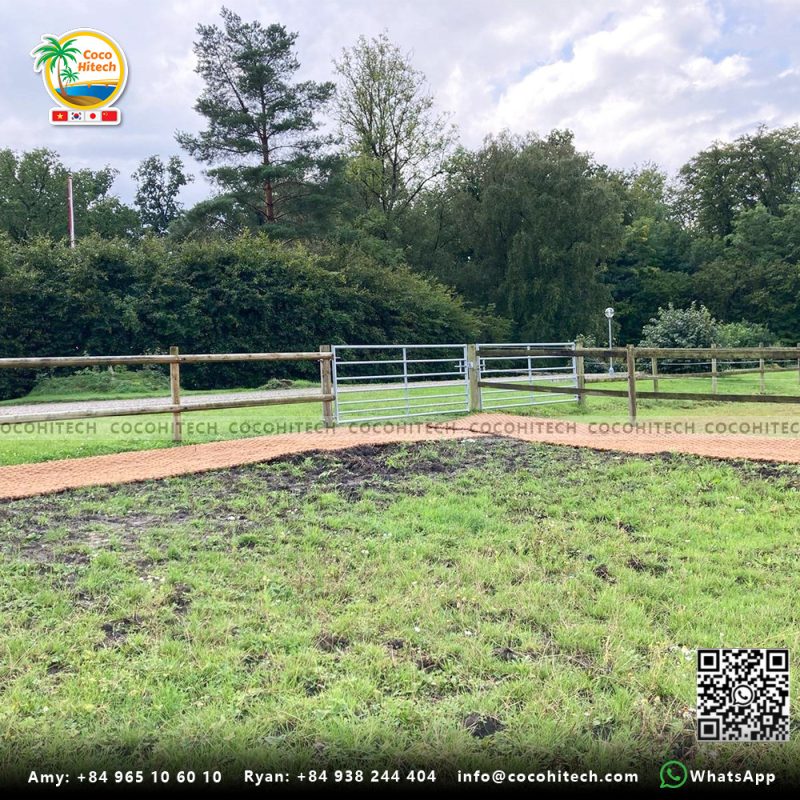
Sloped gardens often suffer from severe dirt runoff during seasonal storms. A natural coir mat used as a path way functions as a highly effective erosion control blanket that secures vulnerable terrain. The textured fibers grip the earth to keep your carefully designed landscape intact.
Anchoring loose dirt firmly during heavy spring downpours
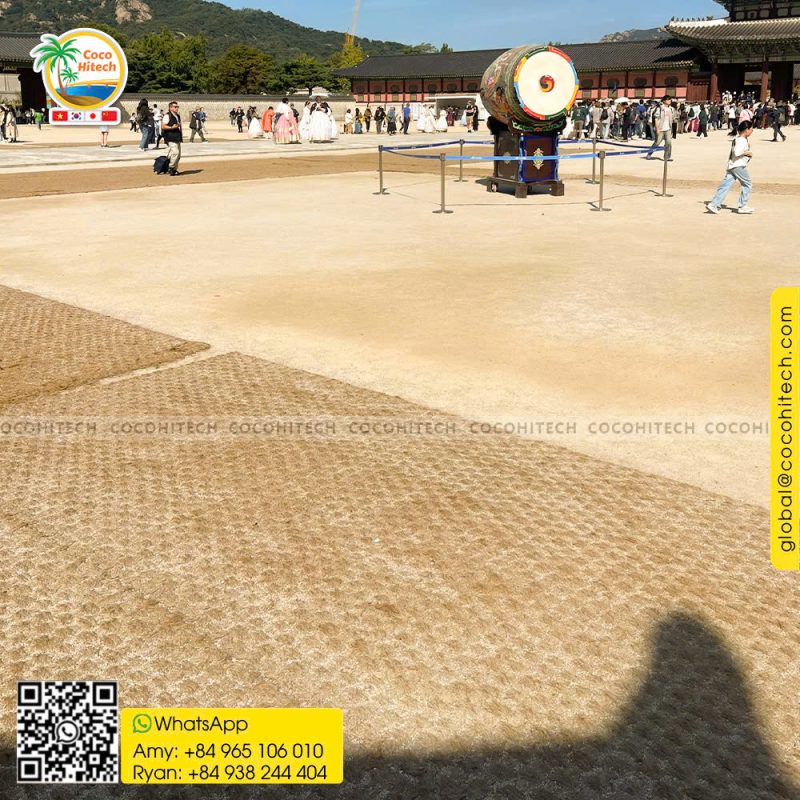
In regions like Florida and Texas where sudden torrential rains are common, unprotected trails can wash away in a single afternoon. Utilizing a coconut fiber geotextile promotes rapid soil stabilization by buffering the impact of heavy raindrops. The fabric holds the dirt matrix together, preventing muddy rivers from forming in your yard.
This protection is especially vital when constructing biodegradable coco coir mats for muddy garden paths in low lying areas. The mats act as a structural net that binds the topsoil securely in place until surrounding plant roots can take over.
Creating a highly stable walking surface for elevated garden section
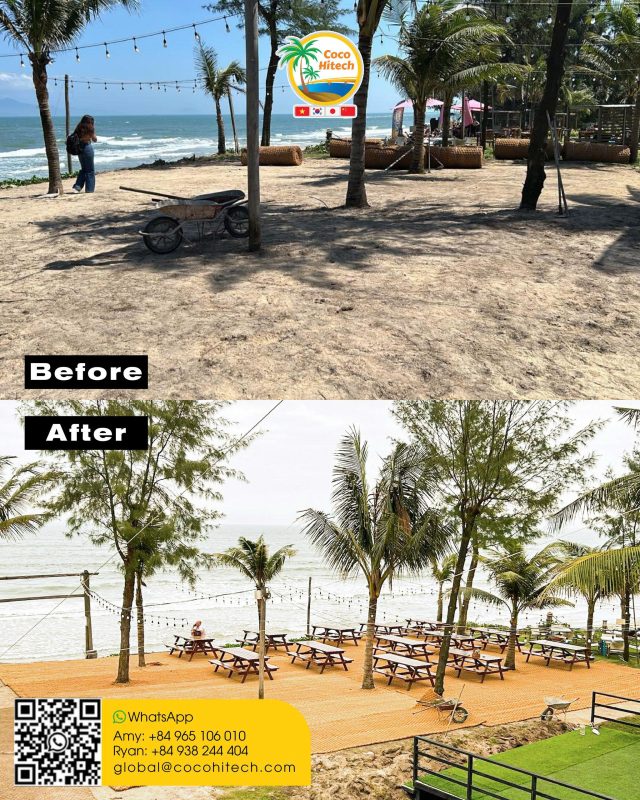
Navigating hilly terrain becomes much safer when you install slip-resistant garden matting. The rough texture of the natural fibers provides excellent traction for boots and garden carts, even when the ground is wet. This makes moving materials around your property much more secure.
In addition, the high coir mat tensile strength ensures the fabric will not tear easily when stretched over uneven bumps or roots. This creates heavy-duty coir matting for high traffic garden areas that handles daily use without failing.
Retaining vital soil moisture to support surrounding plant life
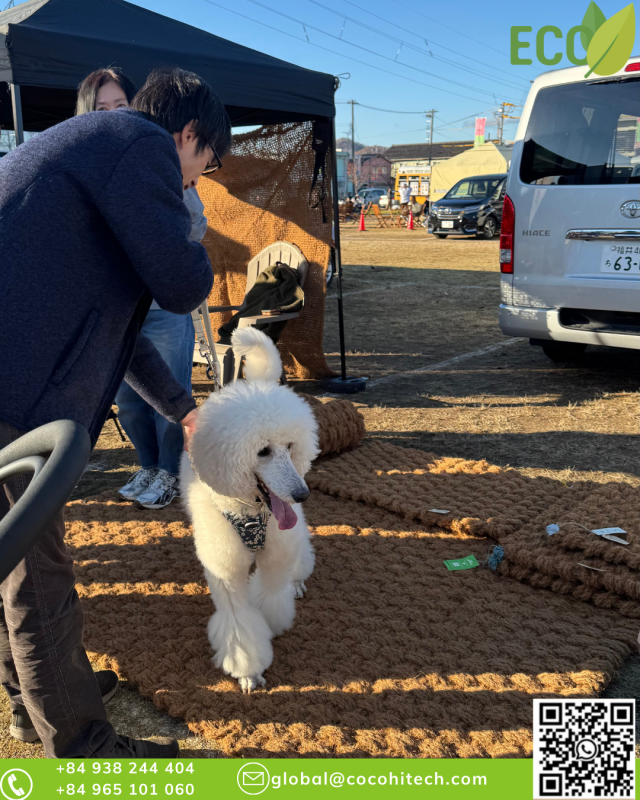
Prolonged dry spells can severely damage border plants growing near hardscape features. Because a natural coir mat used as a path way acts as a moisture retention ground cover, it actively protects the hydration levels of your garden. The fibers absorb and hold water, releasing it slowly into the adjacent dirt.
Decreasing rapid water evaporation during the warmest summer months

In hot climates like California or Texas, the sun quickly bakes the moisture out of unprotected soil. The dense coconut fabric insulates the ground, significantly lowering soil temperatures and slowing evaporation. When combined with a Coir Shade sail overhead, your yard becomes a highly efficient microclimate.
This insulating property means you can water your garden less frequently while still maintaining lush greenery. The retained moisture keeps the dust down and prevents the path from becoming a dry, cracked eyesore.
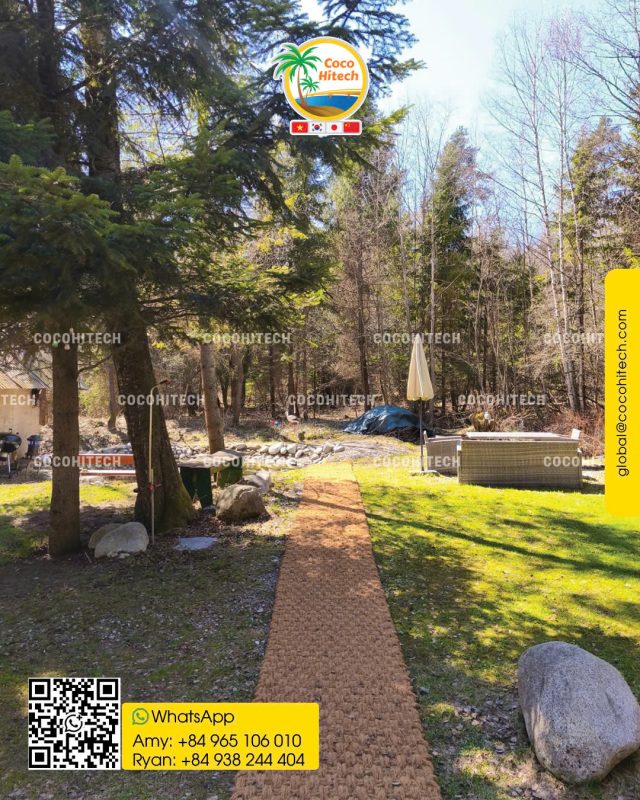
Easy steps for installing your new organic garden walkway
Setting up a natural coir mat used as a path way is a straightforward weekend project that requires no specialized machinery. Proper preparation and secure fastening will ensure the material performs optimally for years. Following a few simple steps guarantees a professional looking result.
Preparing the designated ground area for a smooth application

Begin by clearing all rocks, sharp sticks, and existing large weeds from your intended route. Level the dirt with a steel rake to prevent awkward bumps or tripping hazards along the trail. A flat base allows the matting to make consistent contact with the soil, which improves both weed suppression and erosion control.
If you are building a wider track, you can unroll multiple lengths of the fabric side by side. Ensure you overlap the edges slightly to prevent weeds from sneaking through the seams.
Understanding the expected lifespan and gradual decomposition process
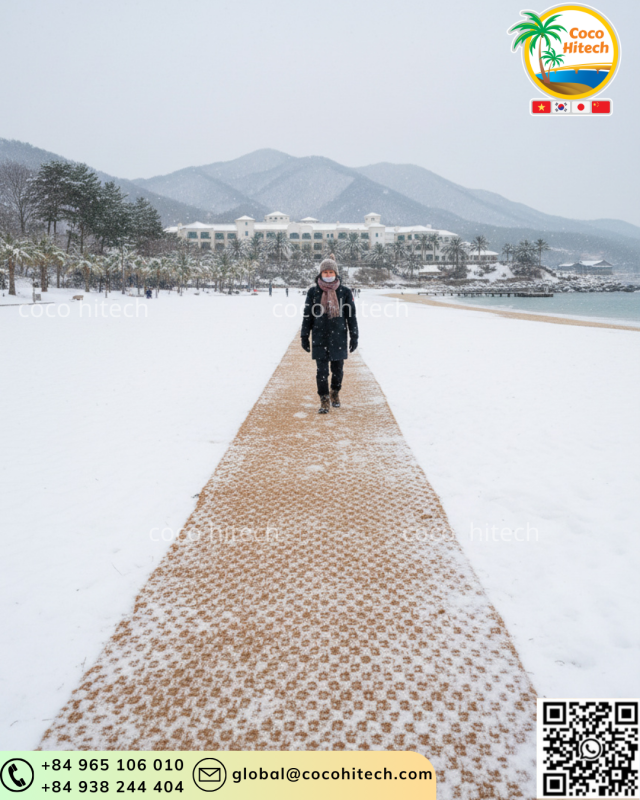
Homeowners often wonder about the longevity of organic materials used outdoors. A natural coir mat used as a path way offers an impressive functional lifespan before it begins to transition back into soil. The exact duration depends heavily on your local climate and the amount of daily foot traffic.
Relying on exceptional material durability for regular foot traffic
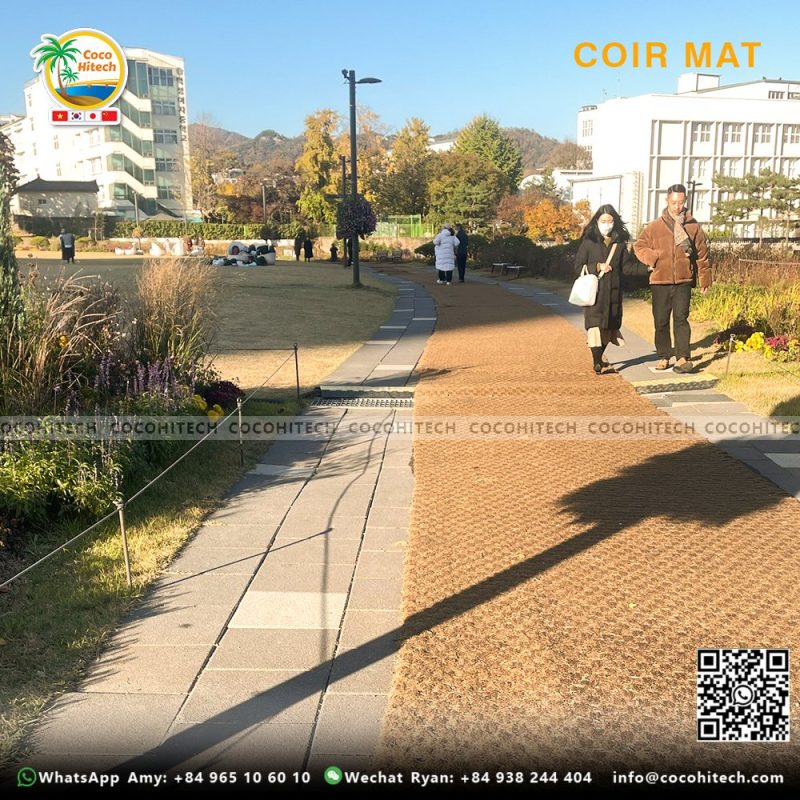
Under normal backyard conditions, high quality woven coconut fibers will provide a solid walking surface for two to four years. The rigid cellular structure of the fibers naturally resists immediate fungal breakdown. This allows you to enjoy a stable, clean route to your garden beds or outdoor seating areas season after season.
Because the material is so resilient, it effectively bridges the gap between temporary mulches and permanent stone paths. It offers the perfect medium term solution for developing landscapes.
Watching the fibers safely blend back into your natural landscape
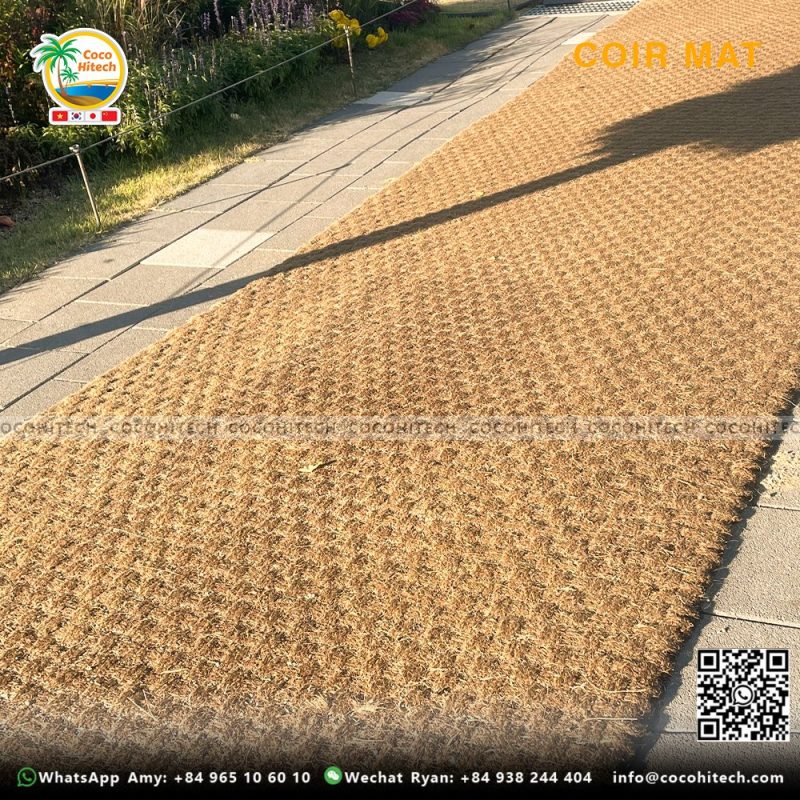
As the Cocos nucifera walkway finally reaches the end of its structural life, you will notice the weave loosening and settling into the dirt. There is no need to rip up and dispose of the old material. Instead, you can simply apply a fresh layer of coir mulch over the remnants, or lay a new mat directly on top.
This zero waste life-cycle is the ultimate benefit of choosing an organic garden solution. You improve your property today while actively investing in the soil health of tomorrow.
 Why Choose COCO HITECH?
 Why Choose COCO HITECH?
COCO HITECH Co., Ltd. is one of Vietnam’s leading manufacturers and exporters of coir products.
Our Advantages:
 Our Advantages:
- High-density coir mats for durability
- Stable supply with large production capacity
- Competitive pricing for global markets
- Professional export service (Korea, Europe, and more)
OUR INTERNATIONAL TEAM SALE
- 대표: Mr.Ryan (Vietnam): +84 938244404(Kakaotalk, Wechat, Whatsapp)
- Amy (English) : +84 965106010 (WhatsApp, Kakao, Line)
- Ryna ( 한국 영업 담당자 ): +84 0364775030
- Vi (中文)+84397317401| 微信ID: Nttv0608
- Website: https://cocohitech.com
- Website: https://kr.cocohitech.com(Korea)
- Website: https://cocohitech.jp/ (Japan)
- Youtube: https://www.youtube.com/watch?v=X7uwnNDKJ4M&t=70s
- Instagram: https://www.instagram.com/cocohitech/
COCO HITECH JSC
261-263 Phan Xich Long Street, Ward 2, Phu Nhuan District, Ho Chi Minh City, Vietnam Tel: +8493 8244404 (Vietnam) Email: info@cocohitech.com https://cocohitech.com | https://coconutpowder.net