
The crucial role of EC and pH levels when you choose your coco peat block
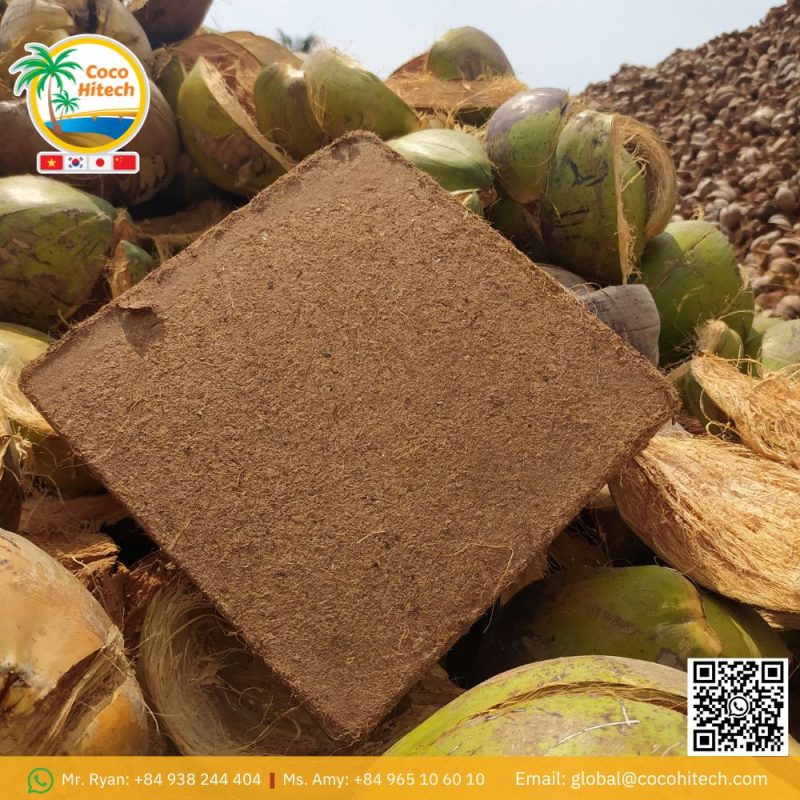
Selecting a sustainable growing media requires more than just looking at the physical texture of the brick. The internal chemical balance dictates how readily your plants can access water and essential fertilizers. If these levels are off, even the healthiest seedlings will struggle to survive.
Furthermore, untreated coconut coir naturally contains high amounts of sodium and potassium salts. If a manufacturer skips the proper treatment steps, these residual salts remain trapped in the fibers. Therefore, understanding these two metrics is nonnegotiable for serious growers.
How electrical conductivity affects plant growth and the exact EC level you need
Table of Contents
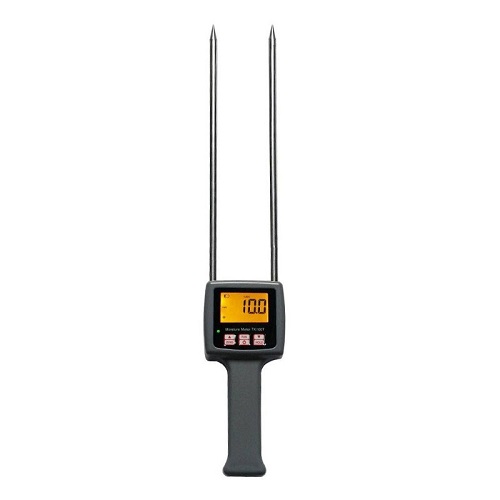
Electrical conductivity measures the total concentration of soluble salts present inside your growing medium. High salt levels draw moisture away from plant roots, leading to dehydration and visible leaf burn. Conversely, an appropriate salt level allows roots to hydrate naturally and expand without stress.
The difference between washed and unwashed coco peat
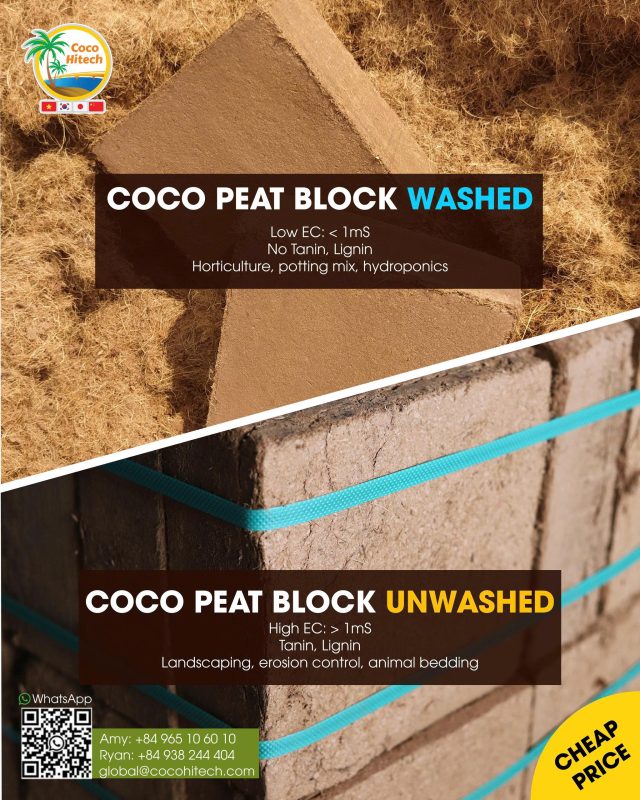
The core distinction here comes down to the manufacturing environment and the leaching process. Unwashed blocks are simply dried and compressed right after processing, leaving all coastal sea salts intact. This type of raw material requires extensive rinsing before it comes anywhere near a live plant.
Meanwhile, washed blocks undergo extensive flushing with fresh water to remove these harmful sodium chloride deposits. Reputable manufacturers spend weeks washing the raw fibers. As a result, the growing medium becomes significantly safer for sensitive crops.
The ideal electrical conductivity range for optimal root development

When shopping for your garden, you must actively seek out low EC coco peat blocks. For most agricultural applications, the electrical conductivity reading should sit below 0.5 mS/cm. This low baseline ensures the medium will not interfere with your customized fertilizer schedules.
If you start with a reading higher than 1.0 mS/cm, you risk immediate salt toxicity for young seedlings. Therefore, always request a product specification sheet from your supplier to verify the baseline readings.
Navigating pH levels to ensure maximum nutrient absorption for your plants
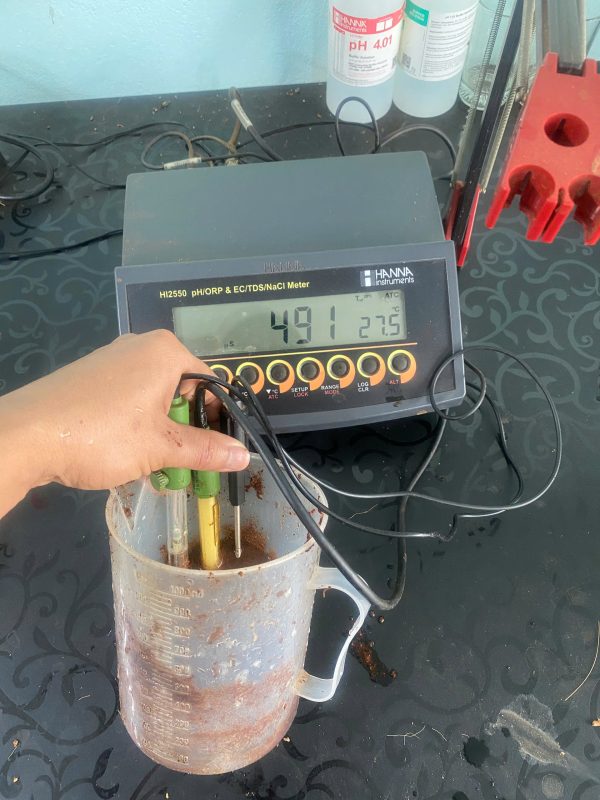
Acidity directly dictates nutrient availability in any agricultural setup. If the medium becomes too acidic or too alkaline, essential micro-nutrients bind to the fibers and become invisible to the plant roots. The ideal pH range for coco coir hydroponics typically falls between 5.5 and 6.5.
This slight acidity mimics the natural preference of most commercial crops, including tomatoes, peppers, and leafy greens. In addition, maintaining this narrow window prevents sudden fluctuations when you apply liquid fertilizers. Consequently, your feeding schedules yield predictable, measurable results.
Evaluating moisture content and expansion volume to get the best value
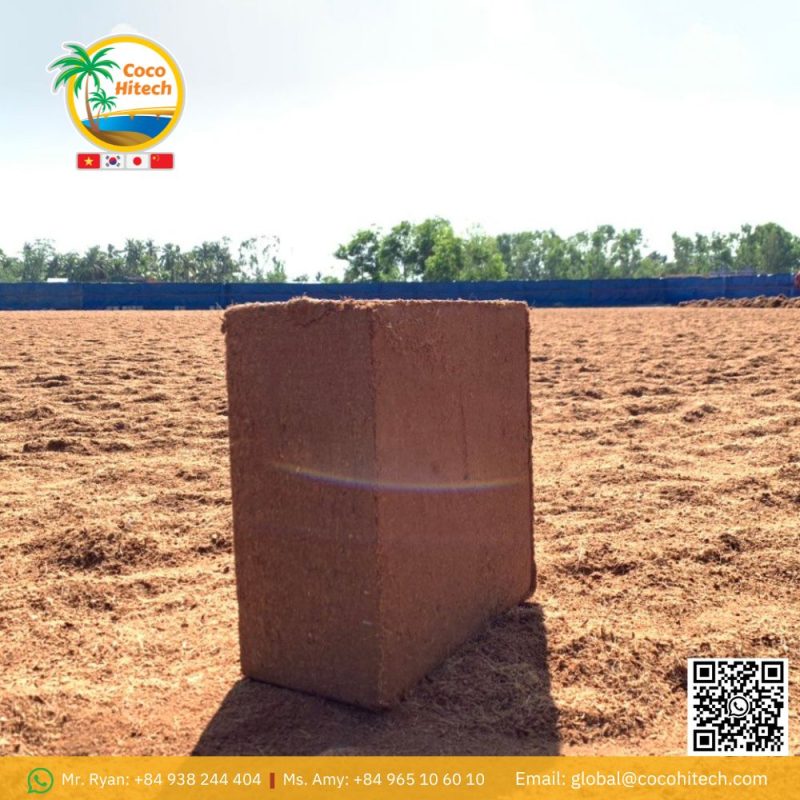
Physical characteristics matter just as much as chemical properties when you purchase compressed media. A block that holds too much internal moisture poses a risk for fungal growth during long shipping routes. Furthermore, you end up paying for water weight rather than usable material.
Checking the optimal moisture percentage before making a purchase
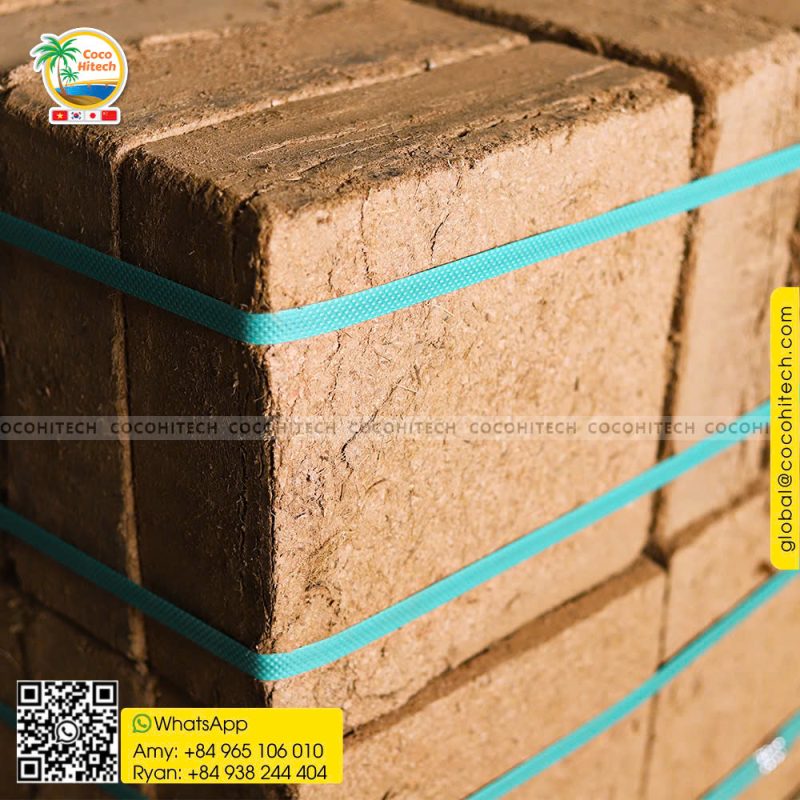

A properly dried block should maintain a moisture content between 15 and 20 percent. This specific range keeps the fibers flexible enough to compress without snapping, yet dry enough to prevent mold. If a block feels damp or crumbles too easily in your hands, the drying process was likely rushed.
Measuring the dehydration capacity of a standard compressed block: expansion ratio
Your return on investment relies heavily on the final expansion volume. A standard compressed 5kg block should consistently expand to yield around 70 to 75 liters of usable growing material. This impressive yield lowers your overall freight costs and storage requirements.
When you add water, the block should swell rapidly and break apart with minimal physical effort. Slow expansion usually indicates overly compressed fibers or high amounts of residual dust.
COCO PEAT BLOCK MANUFACTURER IN VIET NAM
🌴 Leading Coco Peat Manufacturers in Vietnam : COCO HITECH
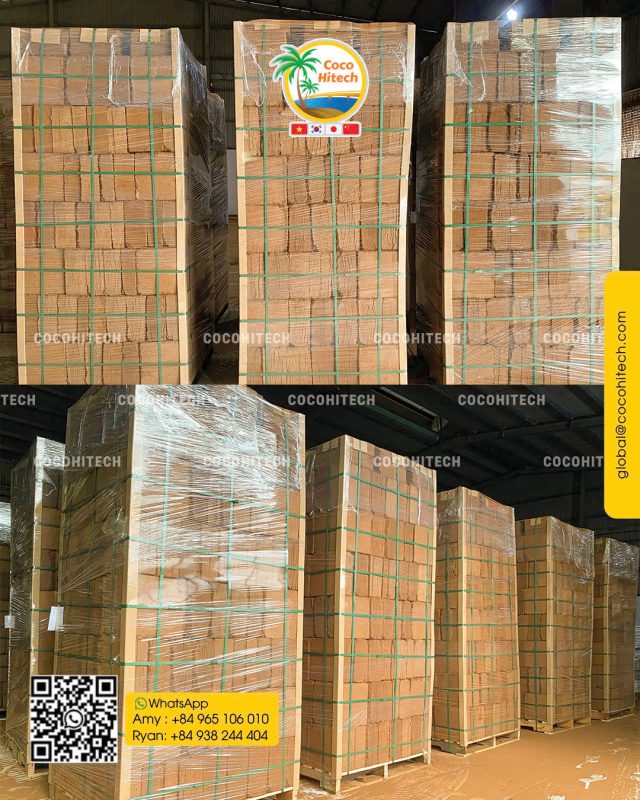

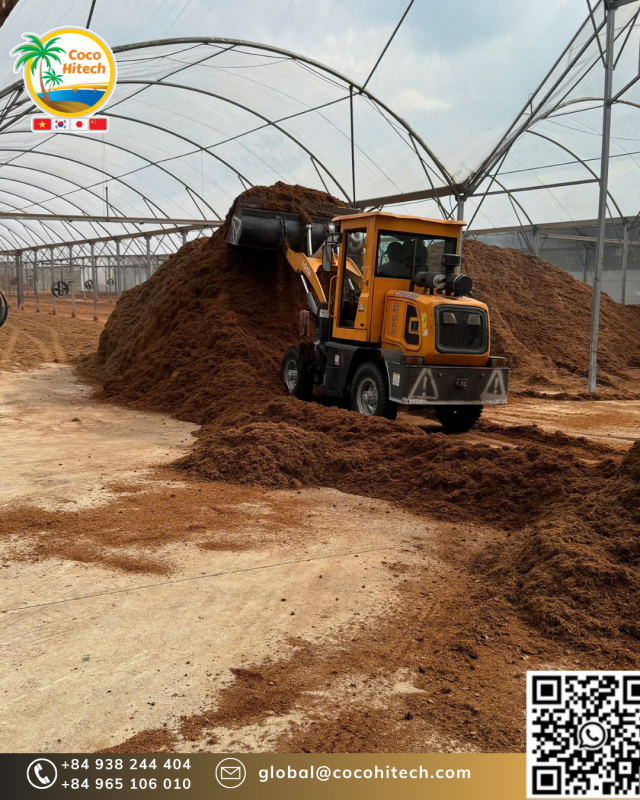
-
One of the top exporters in Vietnam
-
Supplies washed & unwashed coco peat, coir fiber, coir mats, coir nets
-
Strong export capacity: up to 100 containers/month
-
Raw materials sourced from Bến Tre (coconut capital)
-
Key products:
-
Coco peat block (5kg, low EC)
-
Coco pith for horticulture
-
Customized export specs
- coco chips (washed and unwashed)
-
🌴 WORLDWIDE SALES TEAM:
- 대표: Mr.Ryan (Vietnam): +84 938244404(Kakaotalk, Wechat, Whatsapp)
- Amy (English) : +84 965106010 (WhatsApp, Kakao, Line)
- Ryna ( 한국 영업 담당자 ): +84 0364775030
- Vi (中文)+84397317401| 微信ID: Nttv0608
- Website: https://cocohitech.com
- Website: https://kr.cocohitech.com(Korea)
- Website: https://cocohitech.jp/ (Japan)
- Youtube: https://www.youtube.com/watch?v=X7uwnNDKJ4M&t=70s
- Instagram: https://www.instagram.com/cocohitech/
COCO HITECH JSC
261-263 Phan Xich Long Street, Ward 2, Phu Nhuan District, Ho Chi Minh City, Vietnam Tel: +8493 8244404 (Vietnam) Email: info@cocohitech.com https://cocohitech.com | https://coconutpowder.net